



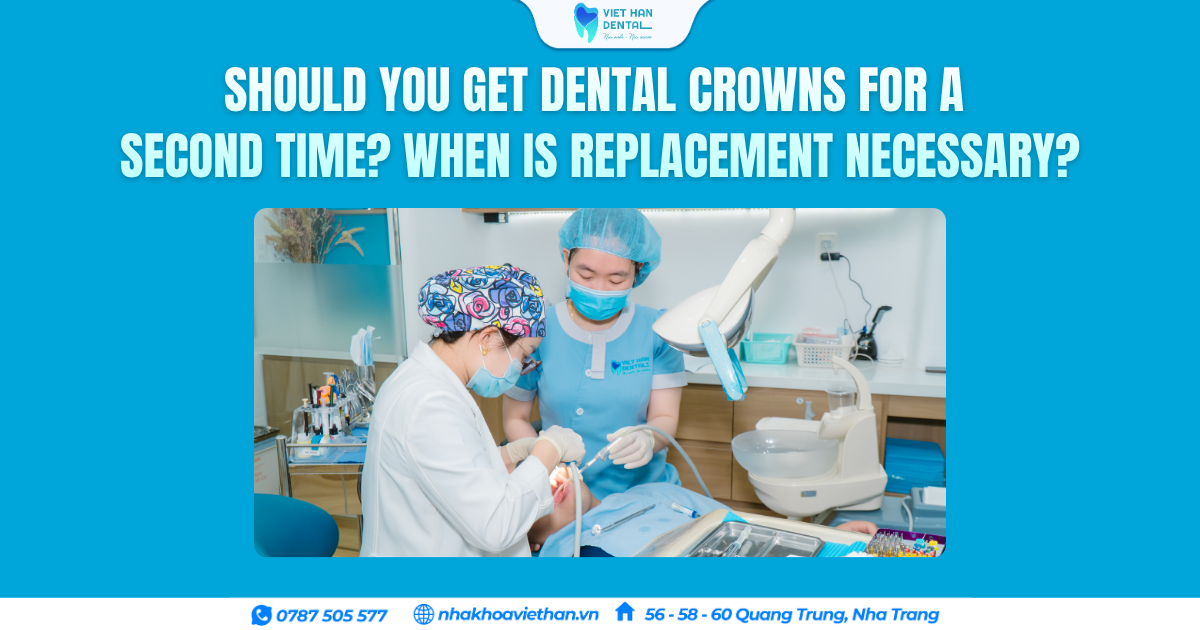
Not every dental crown treatment delivers the expected result the first time. Some patients may experience an unnatural appearance, an uncomfortable fit, or difficulty chewing after receiving crowns, making replacement necessary.
Because replacing dental crowns requires careful assessment to protect the underlying natural teeth, the procedure should only be performed after a thorough examination and recommendation from a qualified dentist.
What should you consider before replacing your dental crowns? Let Viet Han Dental Clinic explain in the article below.
Nội dung
- 1. When Should Dental Crowns Be Replaced?
- 2. The Clinical Process for Replacing Dental Crowns
- 3. Important Considerations for Successful Crown Replacement
- 4. Frequently Asked Questions About Replacing Dental Crowns
- 5. Viet Han Dental Clinic – A Trusted Clinic for Dental Crowns in Nha Trang
- Viet Han Dental Clinic
1. When Should Dental Crowns Be Replaced?
After years of use, dental crowns may no longer remain as stable or functional as they were initially. Changes in appearance, comfort, or chewing function may affect everyday activities and confidence.
You should consider having your crowns examined and potentially replaced in the following situations:
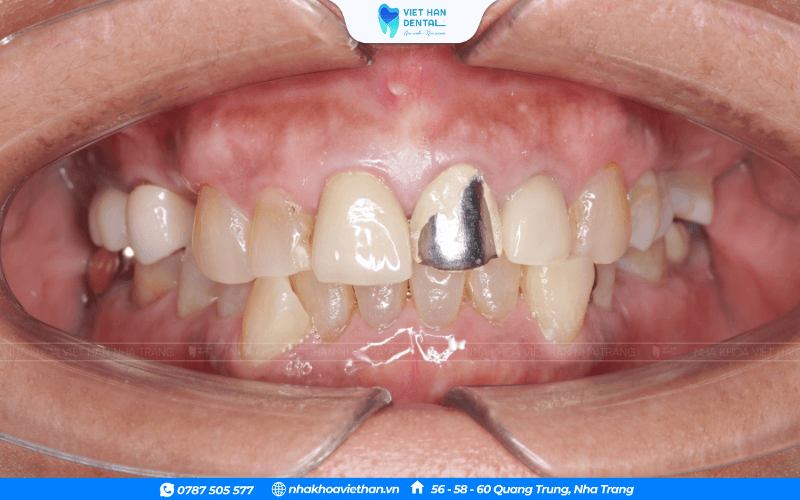
Discoloured or Unnatural-Looking Crowns
Crowns that initially looked bright and attractive may become dull, mismatched, or aesthetically unsatisfactory over time.
Pain or Sensitivity While Chewing
Discomfort when eating may indicate an unresolved problem with the underlying natural tooth, gums, or bite.
Persistent Bad Breath Despite Good Oral Hygiene
This may result from a gap between the crown and the natural tooth, where food and bacteria can accumulate and cause unpleasant odours.
Cracked, Broken, or Deteriorating Crowns
A damaged crown affects appearance and may leave the natural tooth underneath vulnerable to further damage or decay.
An Uncomfortable Bite
If the crown feels bulky or high, chewing feels unnatural, or the jaw becomes tired, the restoration may not have been designed or adjusted correctly.
If you experience any of these concerns, do not continue tolerating the discomfort. An early dental examination and properly performed crown replacement can improve appearance while protecting your natural teeth over the long term.
2. The Clinical Process for Replacing Dental Crowns
Replacing dental crowns requires greater care than the initial procedure. The dentist must correct the existing problem while preserving as much of the remaining natural tooth structure as possible.
At Viet Han Dental Clinic, the process generally includes the following steps:
Step 1: Comprehensive Examination, Diagnostic Imaging, and Consultation
The dentist evaluates your oral condition and determines why the previous crown treatment was unsuccessful.
Any existing gum inflammation, tooth decay, or pulp infection must be treated before a new crown is placed. This helps prevent the same problem from recurring beneath the replacement crown.
The dentist will also recommend an appropriate ceramic material based on the condition of your teeth, bite, and aesthetic expectations.
Step 2: Removal of the Existing Crown
The old crown is carefully removed using specialized instruments to minimize the risk of damage to the prepared natural tooth.
The tooth is then thoroughly cleaned and examined before proceeding.
Step 3: Adjustment of the Prepared Tooth, If Necessary
The dentist reassesses the prepared tooth and makes only the minimum adjustments required.
Because the tooth was already reduced during the first treatment, additional preparation should be carefully limited to preserve as much natural structure as possible.
Step 4: Dental Impression or Digital Scan and Crown Design
An accurate dental impression or digital scan is taken to create a replacement crown with a precise fit, natural colour, and shape that harmonizes with the patient’s face and surrounding teeth.
Step 5: Final Crown Placement
Before permanent cementation, the new crown is carefully checked for fit, bite, shape, colour, and overall appearance.
Once the dentist and patient are satisfied, the crown is secured using an appropriate dental cement to restore comfortable and stable chewing function.
Step 6: Follow-Up and Monitoring
After treatment, follow-up appointments are scheduled to assess the stability of the restoration, gum health, and bite.
Regular monitoring allows potential concerns to be identified early and supports a durable, attractive result.
3. Important Considerations for Successful Crown Replacement
Replacing a dental crown involves more than simply removing the old restoration and fitting a new one. The dentist must identify and correct the cause of the previous problem.
To achieve a satisfactory result and reduce the likelihood of needing another replacement, consider the following factors:
Choose a Reputable Clinic and an Experienced Dentist
The dentist’s expertise directly affects the accuracy, aesthetics, comfort, and durability of the replacement crown.
Identify Why the First Treatment Failed
The cause of discoloration, pain, bad breath, poor fit, or an incorrect bite should be clearly identified and treated to prevent the issue from recurring.
Minimize Further Reduction of the Natural Tooth
Because the tooth was already prepared during the initial crown treatment, any additional reduction must be carefully controlled to preserve the remaining healthy tooth structure.
Choose an Appropriate High-Quality Ceramic
High-quality all-ceramic restorations may provide reliable strength, natural translucency, good biocompatibility, and resistance to oxidation. The appropriate material should be selected according to the tooth’s position, bite forces, and aesthetic requirements.
Maintain Proper Oral Care
Clean the teeth and crowns thoroughly, avoid biting excessively hard objects, and attend regular examinations to extend the lifespan of the restorations.
A carefully planned replacement treatment can improve aesthetics while protecting the underlying natural teeth and reducing the need for repeated intervention.
4. Frequently Asked Questions About Replacing Dental Crowns
Before deciding to replace an existing crown, many patients share similar concerns about appearance, safety, discomfort, and long-term tooth health.
4.1 Can Replacement Crowns Look as Good as—or Better Than—the Original Crowns?
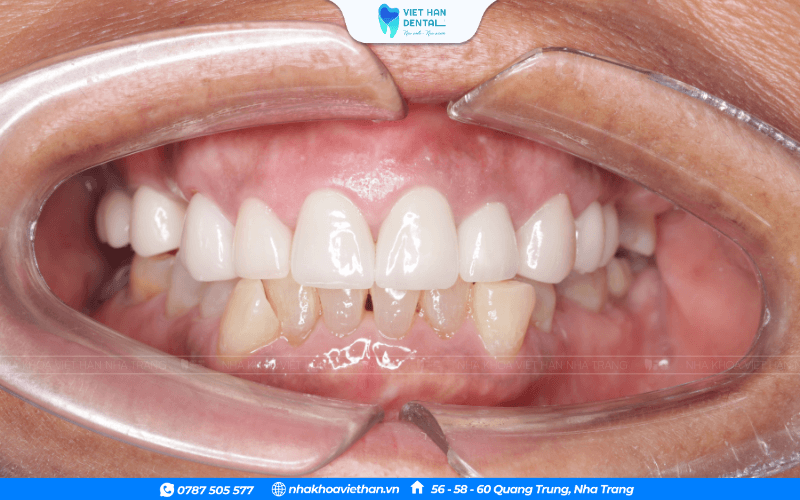
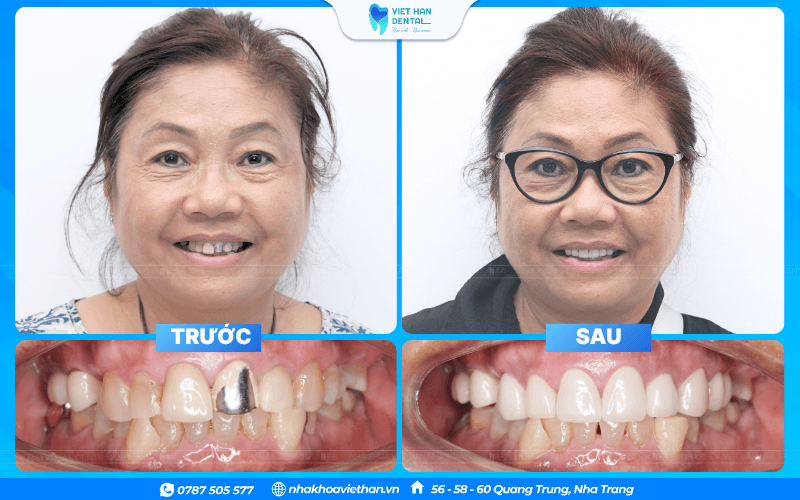
Yes. Replacement crowns may look more natural and attractive when the procedure is properly planned and performed.
Many cases show noticeable improvements in tooth shape, shade, proportions, and overall smile harmony. Choosing an experienced dentist and a suitable ceramic material is essential to achieving the best possible outcome.
4.2 Can Replacing a Crown Affect the Natural Tooth?
Repeated crown replacement may affect the natural tooth if performed incorrectly or unnecessarily.
However, when the dentist carefully evaluates the remaining tooth structure and minimizes further preparation, the tooth may continue to remain stable and functional for many years.
The exact prognosis depends on the condition of the underlying tooth, dental pulp, gums, and surrounding bone.
4.3 Is Replacing a Dental Crown Painful?
Discomfort can generally be controlled with local anaesthesia when required.
Because additional tooth preparation is usually minimized during crown replacement, the procedure may be more comfortable than many patients expect. However, the individual experience depends on the condition of the natural tooth and the complexity of treatment.
4.4 How Should Replacement Crowns Be Cared For?
To maintain the restorations over time:
- Brush at least twice daily, particularly after meals and before sleeping.
- Use a soft-bristled toothbrush and gentle brushing technique.
- Clean between the teeth with dental floss or an interdental cleaning device.
- Replace your toothbrush approximately every three months or when the bristles become worn.
- Gently massage and clean along the gumline.
- Attend follow-up appointments as recommended by your dentist.
Proper oral care, combined with accurate clinical treatment, helps replacement crowns remain functional and attractive while reducing the likelihood of further intervention.
5. Viet Han Dental Clinic – A Trusted Clinic for Dental Crowns in Nha Trang
Anyone who has needed to replace dental crowns understands that repeating treatment can be costly and may affect the remaining natural tooth structure. Choosing an appropriate dental clinic from the beginning is therefore essential.
Replacing dental crowns is often more complex than the initial procedure because the dentist must remove the existing restoration and work with a tooth that has already been prepared.
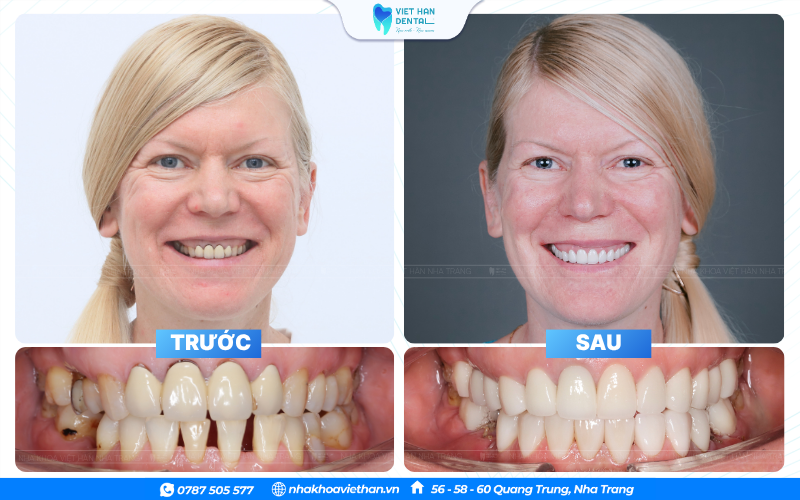
If performed incorrectly, additional healthy tooth structure may be unnecessarily removed. Patients should therefore prioritize a clinic with dentists experienced in cosmetic and restorative dentistry.
At Viet Han Dental Clinic, every patient receives a thorough examination before crown treatment is recommended. The dentist assesses the current condition of the teeth, identifies the reason for the previous crown’s failure, and develops an appropriate treatment plan based on the principle of maximum natural-tooth preservation and minimal intervention.
The treatment process is supported by modern equipment and precise digital crown-design technology. These systems help create restorations with an accurate fit, natural appearance, and comfortable chewing function.
When replacing crowns, the dentist carefully evaluates whether further tooth adjustment is necessary, helping minimize sensitivity and protect the remaining natural structure.
If the underlying tooth can no longer support another crown, the dentist may discuss alternative treatment options. Depending on the clinical situation, dental implant treatment may be considered after the compromised tooth is removed to restore chewing function and appearance.
Do not allow problems with an old dental crown to continue affecting your oral health, comfort, and confidence. If you experience sensitivity, an uncomfortable bite, persistent bad breath, or an unsatisfactory appearance, arrange an early examination at Viet Han Dental Clinic.
Contact Viet Han Dental Clinic today for a comprehensive examination and personalized treatment plan designed to restore a natural-looking smile, comfortable chewing function, and long-term oral health.
Viet Han Dental Clinic
Team of Doctors 100% graduated from Ho Chi Minh City/Hue/Hanoi University of Medicine and Pharmacy
Address: 56-58-60 Quang Trung, Nha Trang, Khanh Hoa, Viet Nam
Hotline/ Whatsapp: 0787 505 577
Website: nhakhoaviethan.vn
Fanpage: Viet Han Dental Clinic
Instagram: viethandental
Youtube: Viet Han Dental
Group facebook: ĐỒNG NIỀNG VIỆT HÀN – VIET HAN BRACERS