



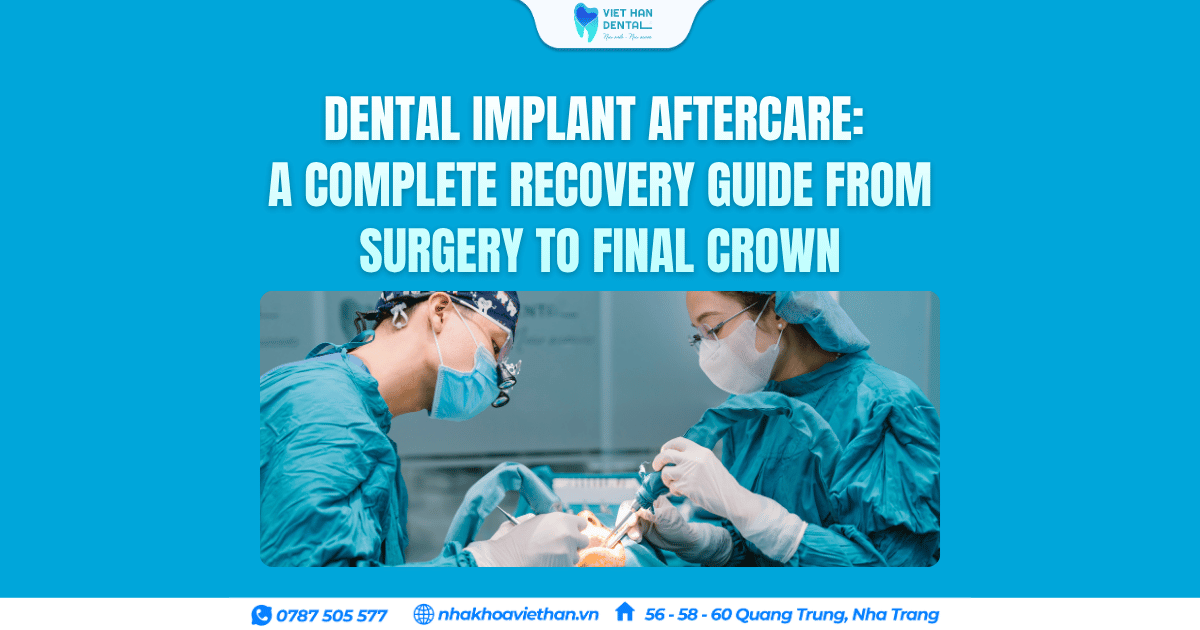
Dental implant treatment does not end when the implant is placed. The healing period that follows is an equally important part of the treatment process, allowing the gums and surrounding bone to recover and gradually stabilise the implant.
At Viet Han Dental Clinic in Nha Trang, every implant patient receives personalised post-operative instructions based on their treatment plan, whether they have received a single implant, multiple implants, full-arch rehabilitation, bone grafting or sinus augmentation.
Although recovery is different for every patient, understanding what normally happens during each stage can help you feel more comfortable and know when something may need professional attention.
Below is a practical timeline of what to expect after dental implant surgery.
Nội dung
- First 24 Hours After Dental Implant Surgery
- Eating After Implant Surgery
- Days 2–3: Swelling May Be More Noticeable
- Days 3–7: Early Gum Healing
- Symptoms You Should Not Ignore
- Weeks 1–2: Follow-Up and Suture Review
- Weeks 2–6: Returning to Your Normal Routine
- Months 2–6: The Osseointegration Stage
- When Can the Final Crown Be Placed?
- Caring for Your Implant After the Final Crown
- Foods and Habits That Can Damage Implant Crowns
- Smoking After Dental Implant Surgery
- Recovery After Bone Grafting or Sinus Lift
- Immediate Implants and Immediate Temporary Teeth
- Dental Implants for Patients With Diabetes
- How Long Does Dental Implant Recovery Take?
- Regular Follow-Up Is Part of Implant Treatment
- Dental Implant Treatment at Viet Han Dental Clinic, Nha Trang
First 24 Hours After Dental Implant Surgery
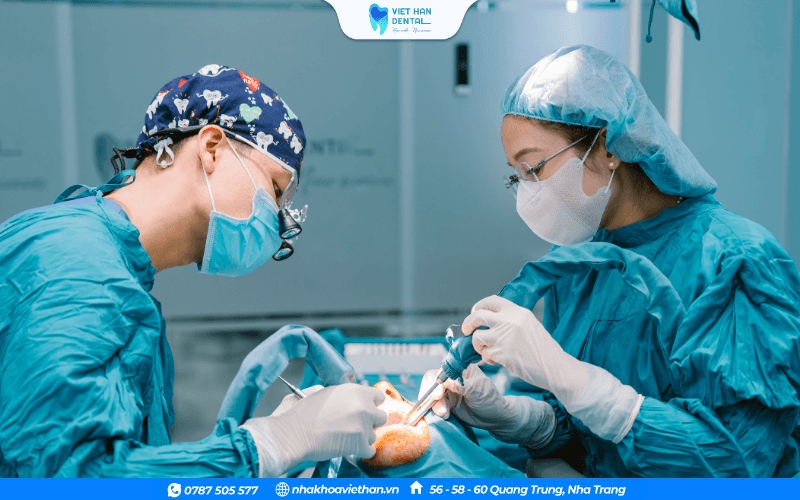
The first day is mainly about protecting the surgical area, controlling bleeding and swelling, and allowing the initial healing process to begin.
During the First Few Hours
A small amount of bleeding or blood-stained saliva can be normal immediately after surgery.
You may be advised to:
- Gently bite on the gauze provided by your dentist for approximately 30–45 minutes.
- Replace the gauze if necessary according to your dentist’s instructions.
- Avoid rinsing or spitting forcefully during the first several hours.
- Avoid drinking through a straw because suction can disturb the surgical area.
- Apply a cold pack externally to the cheek in short intervals to help control swelling.
- Keep your head slightly elevated when resting.
The local anaesthetic may remain effective for several hours. Be careful not to accidentally bite your cheek, lip or tongue while the area is still numb.
Eating After Implant Surgery
Your diet during the early healing period should minimise pressure on the surgical site.
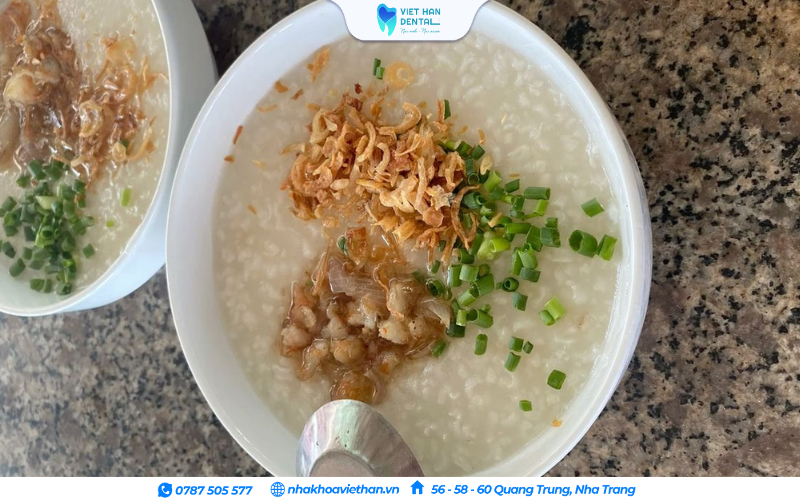
For the first day, choose foods that are soft, cool or at room temperature, such as:
- Yoghurt
- Mashed potato
- Mashed banana
- Smooth soups that are not hot
- Porridge
- Soft tofu
- Smoothies eaten with a spoon rather than through a straw
Avoid very hot foods and drinks during the first 24 hours because heat may increase bleeding and irritation.
You should also avoid hard, crunchy, sticky or very chewy foods around the surgical area.
Days 2–3: Swelling May Be More Noticeable
Many patients are surprised that swelling can become slightly more noticeable on the second or third day rather than immediately after surgery.
Mild swelling, tenderness or bruising around the cheek and jaw can occur as part of the body’s normal response to surgery.
Continue taking any medication exactly as instructed by your dentist.
You should not increase, reduce or stop prescribed medication without professional advice.
During this period:
- Continue eating soft foods.
- Chew away from the implant area whenever possible.
- Avoid strenuous exercise.
- Avoid smoking and alcohol.
- Keep the mouth clean without aggressively disturbing the surgical site.
Days 3–7: Early Gum Healing
During the remainder of the first week, discomfort and swelling should generally begin to improve gradually.
Depending on your individual case, your dentist may recommend gentle salt-water rinsing or a prescribed mouth rinse.
When using a salt-water rinse, the mouth should be moved gently rather than rinsed aggressively.
You can gradually introduce foods such as:
- Scrambled eggs
- Soft fish
- Well-cooked noodles or pasta
- Soft rice dishes
- Steamed vegetables
- Soft fruit
- Minced or tender meat
Avoid placing excessive chewing pressure directly over the healing implant.
Oral Hygiene During the First Week
Good hygiene is essential, but the surgical site also needs to be protected.
You can normally continue brushing the rest of your teeth as usual.
Cleaning directly around the implant area depends on the surgical technique used and the condition of the tissues. Your dentist may recommend a very soft toothbrush or another cleaning method.
Always follow the instructions provided specifically for your case.
Symptoms You Should Not Ignore
Some discomfort after surgery can be expected. However, you should contact the dental clinic if you experience symptoms such as:
- Pain that becomes significantly worse rather than gradually improving
- Persistent or heavy bleeding
- Increasing swelling after the first several days
- Fever
- Pus or unusual discharge
- Persistent unpleasant taste or smell around the surgical area
- A healing cap, temporary crown or prosthesis that feels unusually mobile
- Numbness or altered sensation that concerns you
- Any symptom that feels unusual or difficult to manage
Early assessment allows your dentist to determine whether the healing process is normal or requires additional care.
Weeks 1–2: Follow-Up and Suture Review
Most patients feel considerably more comfortable by the end of the first or second week.
If non-resorbable sutures were used, they may be removed during a follow-up appointment. Some types of sutures dissolve naturally and do not require removal.
At the review appointment, the dentist will typically check:
- Gum healing
- Condition of the surgical site
- Presence of inflammation or infection
- Implant stability where clinically appropriate
- Hygiene around the treatment area
This visit is also an opportunity to adjust your home-care routine if needed.
Weeks 2–6: Returning to Your Normal Routine
As the gum tissue continues to heal, many patients can progressively return to their normal diet and daily activities.
However, feeling comfortable does not necessarily mean that the implant has completely integrated with the bone.
The implant is still undergoing an important biological healing process underneath the gum.
For this reason, avoid deliberately testing the implant by chewing very hard foods on it unless your dentist confirms that it is safe.
Continue maintaining good oral hygiene and attend all scheduled follow-up appointments.
Months 2–6: The Osseointegration Stage
One of the most important stages of dental implant treatment happens beneath the surface.
This process is known as osseointegration.
During osseointegration, the surrounding bone gradually forms a stable biological connection with the implant surface.
The time required varies between patients.
In many cases, healing may take approximately 3–6 months, although the timeline can be shorter or longer depending on several factors, including:
- Implant position
- Bone density and volume
- Whether bone grafting was required
- General health
- Smoking habits
- Oral hygiene
- Bite forces
- Number and distribution of implants
- Type of temporary restoration used
The dentist will determine when the implant is ready for the next stage rather than relying on time alone.
When Can the Final Crown Be Placed?
Once the implant has achieved sufficient stability and the surrounding tissues have healed appropriately, restorative treatment can begin.
Depending on the treatment plan, this stage may involve:
- Checking the condition and stability of the implant.
- Removing or adjusting the healing abutment.
- Scanning the implant position with a digital scanner or taking an impression.
- Designing the abutment and dental crown.
- Checking the bite, shape and aesthetics.
- Fitting the final implant crown.
At Viet Han Dental Clinic, digital dentistry can be incorporated into the restorative process to help accurately record the position of the implant and design a restoration that integrates with the surrounding teeth and bite.
Caring for Your Implant After the Final Crown
A dental implant cannot develop tooth decay like a natural tooth, but the gum and bone around it can still become inflamed if plaque is allowed to accumulate.
Long-term maintenance is therefore essential.
Patients should:
- Brush at least twice daily.
- Clean carefully around the implant crown.
- Floss or use interdental cleaning devices as recommended.
- Attend regular professional dental cleaning.
- Have the implant, gum and bite checked periodically.
For some implant bridges or full-arch restorations, specialised cleaning aids such as interdental brushes, implant floss or oral irrigators may be recommended.
Your dental team can demonstrate the most appropriate technique.
Foods and Habits That Can Damage Implant Crowns
Once fully healed, dental implants are designed to restore normal chewing function.
However, the crown or bridge attached to the implant is still a dental restoration and should not be used to bite extremely hard objects.
Avoid habits such as:
- Chewing ice
- Biting pens
- Opening packaging with your teeth
- Cracking hard nuts with the teeth
- Biting very hard sweets
- Using the teeth to open bottle caps
Patients who grind or clench their teeth may also be advised to wear a night guard to reduce excessive forces on both implants and natural teeth.
Smoking After Dental Implant Surgery
Smoking is one of the factors that may negatively affect implant healing.
Nicotine and tobacco exposure can interfere with blood supply to the tissues and may increase the risk of complications around dental implants.
Patients are strongly encouraged to stop smoking during implant healing and ideally maintain smoking cessation long term.
If stopping completely is difficult, discuss this openly with your dentist so your individual risk can be evaluated.
Recovery After Bone Grafting or Sinus Lift
Patients who undergo bone grafting or sinus augmentation may receive additional instructions beyond standard implant aftercare.
Following a sinus lift, for example, your dentist may advise you to:
- Avoid forcefully blowing your nose.
- Sneeze with your mouth open when possible.
- Avoid creating excessive pressure inside the sinus.
- Keep your head elevated while resting during the early recovery period.
- Avoid certain physical activities for a period of time.
Air travel may also need to be discussed depending on the extent of sinus surgery and your recovery.
Because every sinus lift and bone-grafting procedure is different, your surgeon’s specific post-operative instructions should always take priority.
Immediate Implants and Immediate Temporary Teeth
Not every implant patient follows exactly the same timeline.
In selected cases, an implant can be placed immediately after tooth extraction.
Some patients receiving full-arch treatments such as All-on-4, All-on-6 or other immediate-loading protocols may also receive a fixed temporary restoration shortly after implant placement.
However, having temporary teeth does not mean that the implants have already completed osseointegration.
Patients usually need to maintain a softer diet and avoid excessive bite forces while the implants heal beneath the temporary restoration.
The duration of this period depends on implant stability, bone condition and the treatment protocol selected by the implant dentist.
Dental Implants for Patients With Diabetes
Having diabetes does not automatically exclude someone from dental implant treatment.
However, blood glucose control is an important consideration because poorly controlled diabetes may affect wound healing and increase the risk of complications.
Before implant surgery, the dentist may review your medical history, current medication and relevant medical information to determine whether treatment can be carried out safely.
Additional follow-up may also be recommended during healing.
How Long Does Dental Implant Recovery Take?
There is no single recovery timeline that applies to every patient.
In general:
First 1–3 days:
Swelling and tenderness are usually most noticeable.
First week:
The surgical wound begins early healing and discomfort should gradually reduce.
1–2 weeks:
The gums continue healing and sutures may be reviewed or removed.
2–6 weeks:
Most patients return to normal daily activities while deeper healing continues.
Approximately 3–6 months:
Osseointegration progresses and the implant becomes biologically integrated with the surrounding bone.
After successful integration:
The final crown, bridge or implant-supported restoration can be completed according to the treatment plan.
Complex treatments involving bone grafting, sinus lifts or full-mouth rehabilitation may require a different timeline.
Regular Follow-Up Is Part of Implant Treatment
Successful implant treatment involves more than the surgical procedure itself.
Follow-up appointments allow the dentist to monitor healing, evaluate the gums and bone, check the bite and address potential issues before they become more difficult to manage.
At Viet Han Dental Clinic, patients are guided throughout the implant treatment journey — from diagnosis and implant placement to follow-up, final restoration and long-term maintenance.
Dental Implant Treatment at Viet Han Dental Clinic, Nha Trang
Every implant case is different.
Before recommending treatment, our dentists assess factors such as:
- The number and position of missing teeth
- Jawbone volume and density
- Gum condition
- Bite relationship
- Medical history
- Existing dental restorations
- Aesthetic requirements
- Long-term maintenance needs
Depending on the clinical situation, treatment options may include single-tooth implants, multiple implants, implant-supported bridges or full-arch implant rehabilitation.
Modern diagnostic technologies such as 3D Cone Beam CT imaging and digital scanning can support treatment planning and help the dentist evaluate the patient’s anatomy in detail before surgery.
Planning Dental Implant Treatment in Nha Trang?
Whether you are living in Vietnam or travelling to Nha Trang for dental treatment, proper planning and follow-up are essential parts of implant care.
At Viet Han Dental Clinic, our dental team supports patients throughout the entire process, from the initial examination and treatment planning to implant surgery, recovery and final restoration.
For personalised advice regarding your dental condition, please contact Viet Han Dental Clinic to arrange a consultation with our dental team.
Viet Han Dental Clinic – Nha Trang
56–58–60 Quang Trung, Nha Trang, Vietnam
Hotline / WhatsApp: +84 787 505 577
Website: nhakhoaviethan.vn
Youtube: Viet Han Dental