



Gingival operculitis is one of the most common dental issues associated with wisdom tooth eruption, particularly affecting young adults aged 17 to 25. This condition not only causes pain and discomfort but also severely disrupts daily eating habits and routine activities. If left unaddressed, operculitis can lead to severe infections and other dangerous complications. To discover effective treatments and learn more about this condition, let’s explore the following article by Viet Han Dental Clinic.
Nội dung
- 1. What is Gingival Operculitis?
- 2. Signs and Symptoms of Gingival Operculitis
- 3. Causes of Gingival Operculitis
- 4. Is Gingival Operculitis Dangerous?
- 5. How to Treat Gingival Operculitis
- 6. How Long Does Gingival Operculitis Take to Heal?
- 7. Dietary Restrictions for Gingival Operculitis
- 8. Effective Prevention Methods
- 9. Safe Treatment at Viet Han Dental Clinic
- Viet Han Dental Clinic
1. What is Gingival Operculitis?
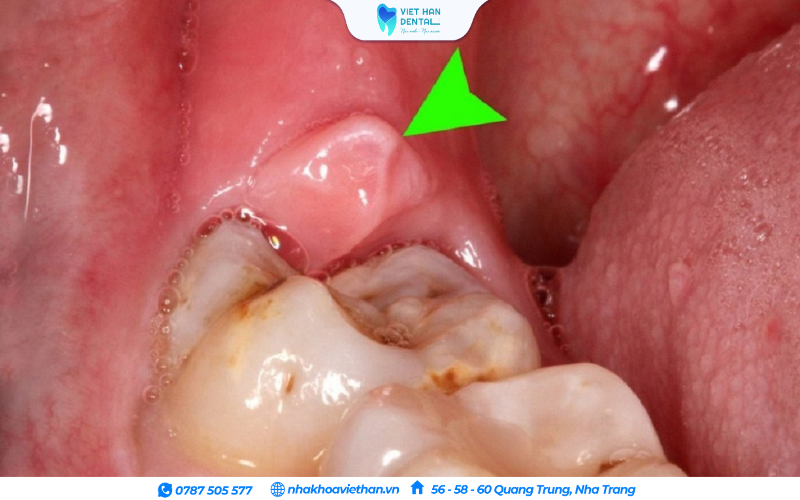
An operculum is the flap of gum tissue that covers the surface of an erupting tooth, most commonly seen around wisdom teeth growing at the back of the jaw. In many cases, impacted or misaligned wisdom teeth prevent this gum tissue from fully retracting, creating a “gum flap” that covers the tooth.
When food debris and bacteria get trapped underneath this gum flap and cannot be thoroughly cleaned, the tissue becomes swollen and inflamed, causing pain and discomfort. This condition is known as gingival operculitis. It often recurs repeatedly throughout the wisdom tooth eruption process and tends to worsen if not treated properly.
2. Signs and Symptoms of Gingival Operculitis
Operculitis typically emerges during wisdom tooth eruption and is easily mistaken for regular gum soreness. However, it is accompanied by distinct signs and tends to cause prolonged pain.
2.1. Red, Swollen Gums Around the Wisdom Tooth
The innermost gum tissue shows signs of swelling, redness, tenderness, and discomfort when touched. In some cases, pus or inflammatory fluid may ooze around the tooth.
2.2. Persistent Pain
Sufferers often experience dull or sharp, intense pain—especially when chewing, opening the mouth, or swallowing. The pain can sometimes radiate to the ear, temples, or jaw area, causing prolonged discomfort.
2.3. Difficulty Opening the Mouth (Trismus)
When the inflammation becomes severe, the jaw muscles can be affected, making it difficult for the patient to open their mouth or experience pain while speaking or eating.
2.4. Bad Breath
The gum flap creates an ideal pocket for trapped food and bacteria to accumulate over time, generating unpleasant odors in the oral cavity.

2.5. Fever and Swollen Lymph Nodes
If the infection spreads, the patient may run a low-grade fever, feel fatigued, and develop swollen lymph nodes in the neck or under the jaw. This is a sign that the body is reacting to an infection.
3. Causes of Gingival Operculitis
Operculitis usually arises when a wisdom tooth erupts abnormally, combined with bacteria and food trapped around the gum area for a long period. Below are the common causes:
3.1. Impacted or Misaligned Wisdom Teeth
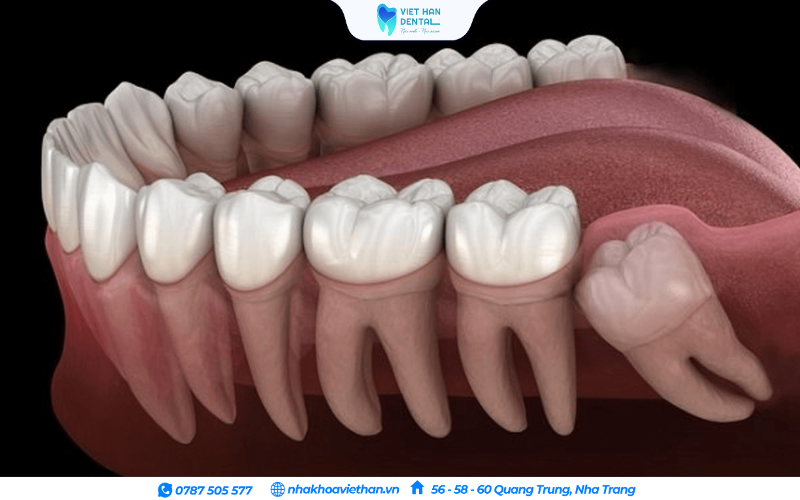
This is the most frequent cause of operculitis. When the jaw lacks sufficient space for the wisdom tooth to grow, it may erupt sideways, horizontally, or only partially emerge. The gum tissue lying over the crown forms a “flap,” making it easy for bacteria to accumulate and trigger inflammation.
3.2. Food Trapped Under the Gum
The gum flap covering the wisdom tooth makes cleaning much harder than usual. Leftover food particles easily wedge underneath, creating a breeding ground for bacteria and inflammatory pockets over time.
3.3. Poor Oral Hygiene
Failing to meticulously clean the wisdom tooth region causes plaque and bacteria to pile up. This not only swells the gums but also keeps the inflammation active and prone to recurrence.
3.4. Weakened Immune System
When the body is exhausted, sleep-deprived, or immunity is low, its ability to fight off bacteria drops. This makes operculitis more likely to appear and progress severely.
4. Is Gingival Operculitis Dangerous?
Many people assume operculitis is just a normal reaction to growing wisdom teeth and shrug it off. However, if left untreated, it can advance and trigger multiple complications impacting oral health, including:
Pericoronitis (infection around the wisdom tooth)
Gum abscess and prolonged swelling/pain
Facial cellulitis
Persistent halitosis (bad breath)
Decay in adjacent teeth due to trapped food
Jawbone infection (osteomyelitis)
Difficulty chewing, disrupting daily life
In serious cases, bacteria from the inflamed site can spread to surrounding tissues, increasing infection risks and harming overall systemic health.
5. How to Treat Gingival Operculitis
Depending on the severity of the inflammation and the growth angle of the wisdom tooth, the dentist will prescribe a suitable treatment plan to relieve pain and prevent complications.
5.1. Home Care Tips for Pain Relief
For mild cases, patients can apply temporary measures such as holding a cold pack outside the cheek for 10–15 minutes to reduce swelling and pain. Rinsing with warm saltwater also helps disinfect and soothe the inflamed gums.
Additionally, maintain clean oral hygiene using a soft-bristled toothbrush, dental floss, and careful cleaning around the wisdom tooth zone to curb bacterial buildup. Avoid spicy, hot, or overly hard foods, as they can irritate and intensify pain in the gums.
Keep in mind that home remedies only offer temporary symptom relief and cannot tackle the root cause of operculitis.

5.2. Professional Dental Treatments
If swelling and pain persist or pus develops, the dentist may prescribe antibiotics, painkillers, or anti-inflammatory medications to control the infection.
If the wisdom tooth is growing straight but remains covered by gum tissue, the dentist may perform an operculectomy (gum flap removal) to help the tooth erupt freely. This is a simple, quick procedure performed under local anesthesia, meaning discomfort is minimal.
If the wisdom tooth is impacted, misaligned, or triggers recurring infections, extracting the wisdom tooth is usually recommended to eliminate the infection source and prevent long-term complications.
6. How Long Does Gingival Operculitis Take to Heal?
Recovery time depends on the severity of the infection and the treatment method. For mild cases, swelling and pain can improve within a few days with proper oral hygiene and prescribed medication. If an operculectomy or wisdom tooth extraction is performed, healing typically takes about 7 to 10 days for simple minor surgery. Severe infections or cases with heavy bacterial involvement may take 1 to 2 weeks to recover stably.
Recovery speed also varies based on individual physical health and post-treatment care. Maintaining clean oral hygiene, eating right, and attending follow-up appointments accelerates healing.
7. Dietary Restrictions for Gingival Operculitis
To reduce swelling, stop infection spread, and help gums heal faster, individuals with operculitis should adjust their daily diet.
Foods and Habits to Avoid:
Extremely hot or cold foods: Easily irritate sensitive, inflamed gums.
Spicy and heavily seasoned foods: Cause burning sensations and heighten pain.
Sweets and sugary items: Create ideal conditions for bacteria to thrive.
Carbonated soft drinks: Increase irritation in the oral cavity.
Alcohol and tobacco: Prolong inflammation and delay healing.
Hard, chewy, or tough foods: Easily damage swollen and inflamed gum tissues.
Recommended Foods to Aid Recovery:
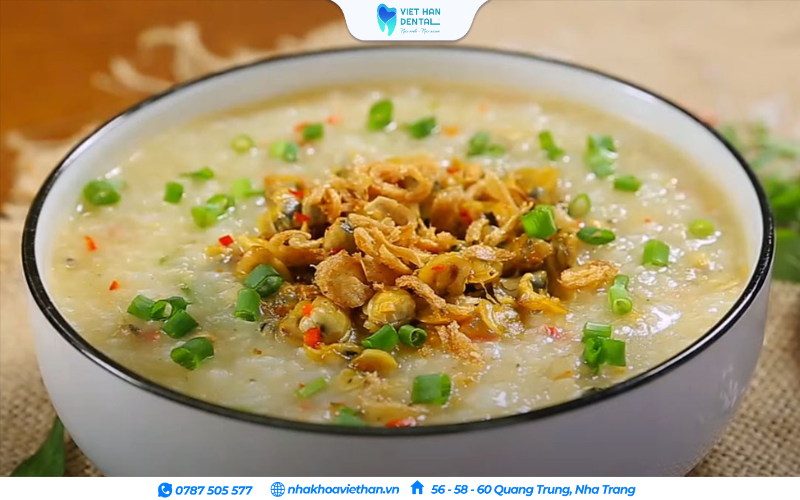
Porridge, soup, soft noodles, or easy-to-swallow foods.
Green vegetables and fresh fruits to boost immunity.
Vitamin C-rich foods to support gum tissue repair.
Drinking plenty of water to keep the oral cavity clean and suppress bacterial growth.
Pairing the right diet with correct oral hygiene lessens discomfort and speeds up recovery.
8. Effective Prevention Methods
To minimize the risk of operculitis during wisdom tooth eruption, you should:
Brush your teeth at least twice a day.
Use dental floss instead of toothpicks.
Rinse with saltwater or antiseptic mouthwash.
Schedule dental check-ups every 6 months.
Monitor wisdom tooth eruption early.
Early detection of misaligned wisdom teeth allows your dentist to intervene promptly and prevent unwanted complications.
9. Safe Treatment at Viet Han Dental Clinic
Gingival operculitis is a common issue when wisdom teeth grow misaligned, impacted, or lack space to develop normally. Unmanaged, it recurs frequently, causing pain, inflammation, and eating difficulties. Backed by experienced doctors and modern equipment, Viet Han Dental Clinic is a trusted destination for treating operculitis and wisdom tooth complications.
9.1. Experienced Wisdom Tooth Specialists
Dentists at Viet Han Dental Clinic possess extensive experience handling operculitis, impacted, or crowded wisdom teeth. Before treatment, clients undergo a thorough evaluation of their teeth, gums, and infection severity. Based on the findings, the doctor determines the best course of action—such as cleaning the infection, performing an operculectomy, or extracting the tooth—to minimize pain and stop recurrence.
9.2. Modern Diagnostic Equipment
The clinic invests in advanced imaging systems and machinery to accurately determine the exact position of the wisdom tooth, its eruption angle, and its impact on surrounding gum tissue or adjacent teeth. Precise diagnosis builds an optimal treatment plan while keeping procedural complications to a minimum.
9.3. Strict Sterilization Protocols
All treatments follow strict sterilization standards to eliminate cross-contamination risks and safeguard client safety. Dental instruments are properly autoclaved prior to use, and each step is tightly controlled for a secure, comfortable client experience.
9.4. Detailed Post-Treatment Care Guidance
Following an operculectomy or wisdom tooth extraction, your doctor provides detailed instructions on home care, hygiene routines, and diet to support recovery. You will also receive follow-up scheduling to monitor healing and guard against recurring infections.
Gingival operculitis causes pain and threatens complications if left untreated. As soon as you spot swelling, limited mouth opening, or pericoronitis symptoms, seek professional care early.
If you are facing this condition, visit Viet Han Dental Clinic for a comprehensive examination, custom treatment consultation, and safe, effective oral care.
Viet Han Dental Clinic
Team of Doctors 100% graduated from Ho Chi Minh City/Hue/Hanoi University of Medicine and Pharmacy
Address: 56-58-60 Quang Trung, Nha Trang, Khanh Hoa, Viet Nam
Hotline/ Whatsapp: 0787 505 577
Make an appointment: https://nhakhoaviethan.vn/en/contact/
Youtube: Viet Han Dental