



Teeth with cavities accompanied by pain indicate that tooth decay has progressed to a serious stage. Once the enamel and dentin are destroyed, bacteria easily invade inner tissues, causing sensitivity, pain, and directly impacting chewing capability. If left untreated early, this condition can lead to pulpitis, dental abscesses, jawbone resorption, and even permanent tooth loss.
Recognizing abnormal signs early and selecting the appropriate treatment method helps preserve natural teeth to the maximum while minimizing dangerous future complications. Follow this article by Viet Han Dental Clinic to learn useful information about causes, signs, and effective tooth decay treatments.
Nội dung
- 1. Signs That Teeth Are Developing Holes Due to Decay
- 2. Causes of Tooth Cavities and Pain
- 3. Are Cavitated Teeth Dangerous?
- 4. Common Stages of Tooth Decay
- 5. Can Cavities Be Treated at Home?
- 6. Treatment Methods for Cavitated, Painful Teeth
- 7. Treating Decay and Restoring Missing Teeth at Viet Han Dental Clinic
1. Signs That Teeth Are Developing Holes Due to Decay
Tooth decay usually proceeds quietly in its early stages. However, once the damage extends into the dentin or dental pulp, patients begin to notice distinct symptoms.
1.1. Noticeable Changes on the Tooth Surface
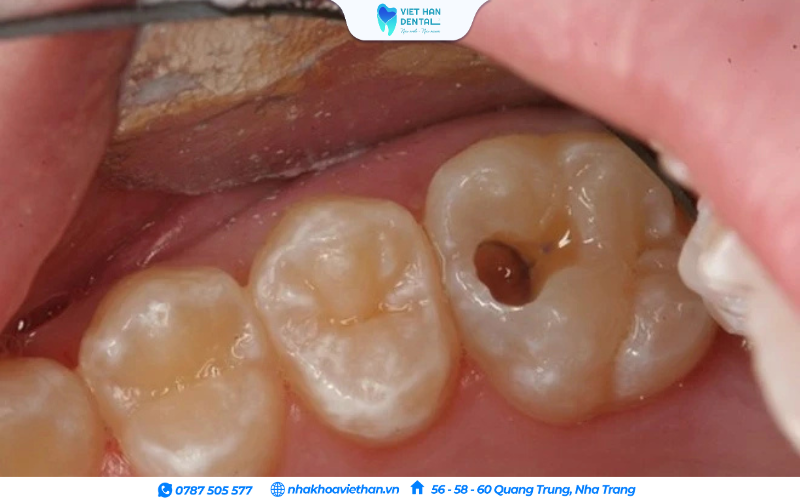
One of the most typical signs is the appearance of opaque white, brown, or black spots on the tooth surface. Over time, these areas break down, forming cavities of various sizes. Additionally, patients may experience:
Food frequently trapping in cavities or interdental spaces.
Prolonged unpleasant breath.
Red, inflamed, or easily bleeding gums around the tooth.
A rough tooth surface that has lost its natural shine.
Teeth showing signs of crumbling or chipping into small pieces.
1.2. Pain and Sensitivity Symptoms
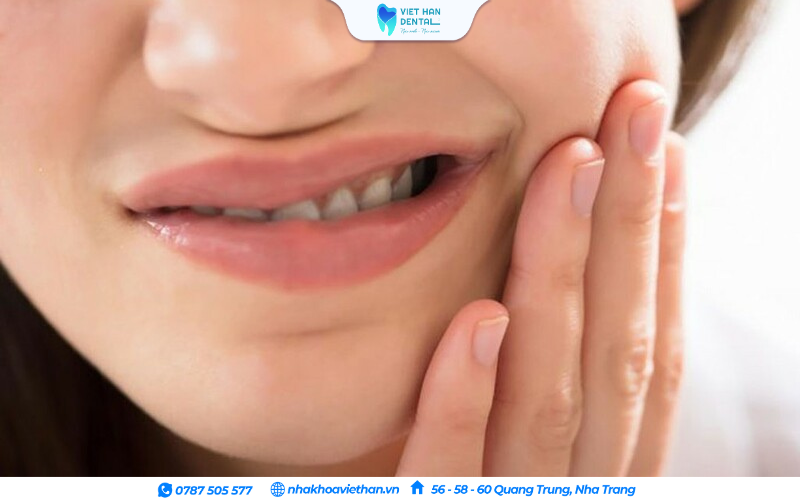
When damage reaches the dentin layer, sensitivity begins to emerge more clearly when eating hot, cold, sour, or sweet items. In more severe stages, patients may encounter:
Prolonged dull aches or intermittent pain.
Increased pain when chewing or biting food.
Spontaneous pain occurring at night.
Pain radiating to the temple, ear, or jaw area.
Teeth becoming sensitive even to gentle touches.
These symptoms not only disrupt eating but also cause insomnia, fatigue, and diminished quality of life.
2. Causes of Tooth Cavities and Pain
Many people only discover cavities when sensitivity or prolonged pain sets in. However, the tooth damage process typically unfolds quietly over a long period beforehand. Below are common causes of cavities and pain that you should not ignore.
2.1. Improper Oral Hygiene
This is the primary cause leading to tooth decay and cavity formation on tooth surfaces. When brushing is done carelessly or skips interdental cleaning with dental floss, plaque and bacteria accumulate over time. These bacteria produce acids that erode tooth enamel, gradually forming small holes that expand.
2.2. High-Sugar and Acidic Diet
Habitually consuming sweets, candies, soft drinks, milk tea, or starchy foods heightens tooth decay risks. Sugar serves as ideal nourishment for bacteria to multiply in the mouth. Meanwhile, acidic beverages like carbonated soft drinks, bottled fruit juices, or sports drinks weaken tooth enamel, letting bacteria attack more easily.

2.3. Dry Mouth and Reduced Saliva Flow
Saliva plays a crucial role in protecting oral health by:
Washing away leftover food and plaque.
Neutralizing acids in the oral cavity.
Supporting enamel remineralization.
When saliva volume drops due to illness, medication side effects, or mouth-breathing habits, the mouth’s natural defenses decline, increasing decay and pain risks.
2.4. Weak Enamel or Congenital Defects
Some individuals have thin enamel structures or poorer enamel quality due to genetics or developmental disorders during tooth formation. In these cases, teeth are vulnerable to bacteria and acids, leading to faster cavity formation than in people with strong enamel.
2.5. Recurrent Decay Under Old Fillings
After years of use, old fillings can wear down, crack, or develop gaps along the margins where they meet natural teeth. These gaps allow bacteria and food to collect underneath, triggering secondary decay. Because the damage remains hidden beneath old fillings, patients often fail to spot it early until pain or large cavities appear.
3. Are Cavitated Teeth Dangerous?
The answer is yes. If left untreated properly, tooth decay can cause multiple serious complications:
Pulpitis: When bacteria infiltrate the pulp chamber, nerve tissues and blood vessels inside the tooth become infected. Patients often experience intense pain, especially at night.
Dental Abscess: Infection from the pulp can spread to the root apex, forming a pus pocket. Dental abscesses cause severe pain, facial swelling, fever, and risks spreading to other areas if unmanaged.
Periodontal Bone Resorption: Prolonged inflammation destroys alveolar bone and supporting tissues, leaving teeth loose and reducing chewing function.
Permanent Tooth Loss: When the tooth crown is excessively damaged or infection becomes uncontrollable, tooth extraction may become mandatory.
Systemic Health Impact: Chronic oral infections can elevate risks of systemic issues like maxillary sinusitis, cellulitis, or blood sugar spikes in diabetic patients.
Prolonged Bad Breath: Cavities trap food and bacteria. Bacterial sulfur compounds cause persistent bad breath.
4. Common Stages of Tooth Decay
Recognizing decay stages early aids timely treatment and curbs permanent tooth loss risks. Here are the common stages in practice:
Enamel Decay Stage: Bacteria only affect the outer enamel. Patients typically experience no pain or only mild sensitivity to sweets.
Dentin Decay Stage: Damage extends into the dentin, forming clear cavities. Sensitivity, pain during chewing, and trapped food begin here.
Pulp Decay Stage: Bacteria have invaded the dental pulp. Patients endure severe, radiating pain, often accompanied by gum swelling or pus discharge.
5. Can Cavities Be Treated at Home?
Home remedies only offer temporary symptom relief and cannot completely eliminate decay pockets. While waiting for dental visits, patients can:
Rinse with warm saltwater.
Apply cold packs outside the painful cheek.
Avoid excessively hot, cold, or sugary foods.
Use fluoride toothpaste.
Take painkillers as directed.
Maintain clean oral hygiene.
For thorough treatment, a dentist must examine and address the root cause.
6. Treatment Methods for Cavitated, Painful Teeth
Depending on the extent of tooth damage, the dentist prescribes suitable treatments to preserve natural teeth maximally and restore chewing function.
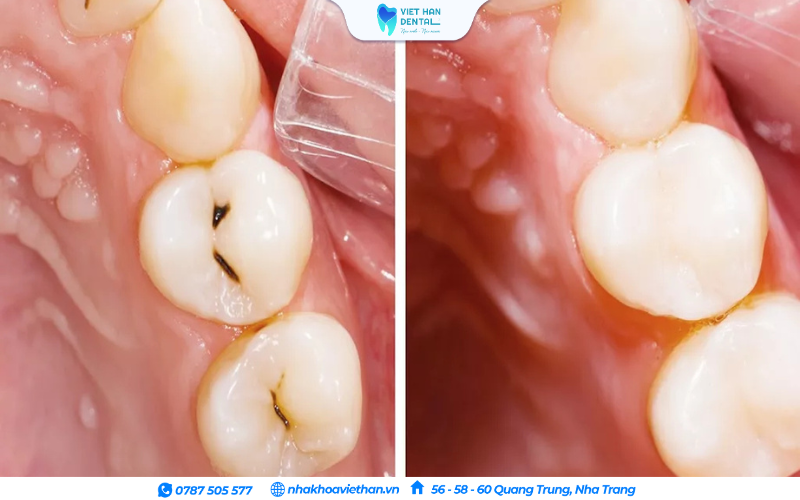
6.1. Dental Fillings
This method suits mild or moderate damage that has not affected the pulp. After removing decayed tissue, the dentist uses filling materials to restore tooth shape, block further bacterial growth, and improve chewing function.
6.2. Root Canal Treatment Combined with Dental Crowns
If bacteria have invaded the pulp, endodontic treatment is necessary to remove infected pulp tissue and preserve the tooth root. Post-treatment, dentists typically recommend dental crowns to boost durability, lower fracture risks, and restore chewing function effectively.
6.3. Tooth Extraction and Implant Placement
In cases of severe destruction or unsalvageable teeth, extraction may be indicated. Post-extraction, dental implants serve as an optimal restorative solution by replacing both root and crown for solid chewing and reduced bone resorption.
7. Treating Decay and Restoring Missing Teeth at Viet Han Dental Clinic
Tooth decay causes sensitivity and pain while destroying tooth structures and leading to tooth loss if prolonged. At Viet Han Dental Clinic, clients access comprehensive care prioritizing natural tooth preservation and sustainable functional restoration.
7.1. Accurate Diagnosis – The Foundation for Effective Treatment
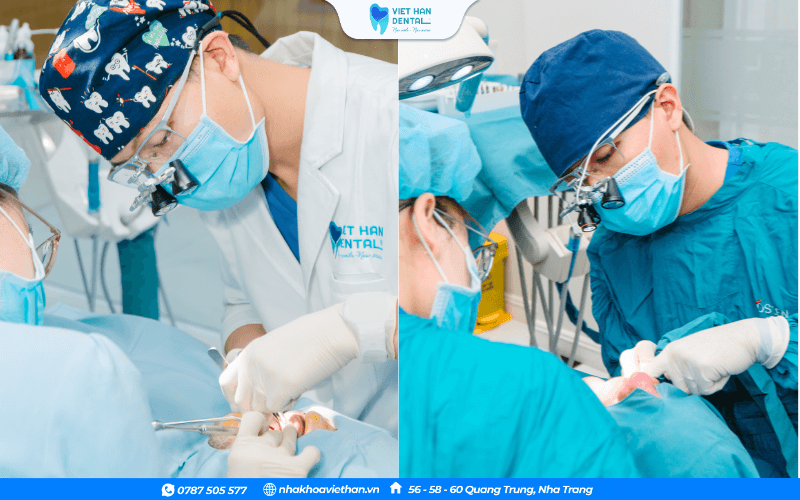
Before any treatment plan, doctors conduct thorough clinical exams combined with digital X-rays and modern CT Cone Beam 3D imaging. This technology clearly displays decay depth, pulp status, jawbone condition, and hidden injuries. Accurate diagnosis builds personalized treatment plans, avoiding unnecessary interventions and minimizing invasiveness.
7.2. Preservation-Oriented Treatment
Depending on damage levels, Viet Han Dental Clinic prioritizes conservative solutions:
Aesthetic Fillings: High-grade composite materials restore natural tooth shape and durability.
Root Canal Therapy (Endodontics): Modern technology and strict sterilization save teeth when infection reaches the pulp, bringing quick pain relief and preventing recurrence.
The primary goal is keeping natural teeth intact for the best long-term chewing and aesthetics.
7.3. Restorative Solutions for Unsalvageable Teeth
For severely damaged or missing teeth, Viet Han Dental Clinic provides dental bridges, dentures, and dental implants. Each option is tailored based on jawbone health, gap location, and client preferences.
7.4. Supported by Modern Diagnostic Systems
Viet Han Dental Clinic invests heavily in international-standard equipment: CT Cone Beam 3D, implant surgery motors, intraoral cameras, iTero scanners—ensuring precise, minimally invasive, fast-healing procedures with high success rates. All steps follow strict European sterilization standards.
7.5. Experienced Team of Doctors
Procedures are performed by licensed dental specialists with 10–30 years of experience, particularly in implants and aesthetic restorations (Dr. Pham Nhat Huy, Dr. Khong Van Quan, and colleagues). Doctors continuously update advanced techniques from international associations, guaranteeing safe, exceptional outcomes.
7.6. Post-Treatment Support
Viet Han Dental Clinic accompanies clients through post-treatment care. Clients receive proper hygiene instructions, dietary advice, and routine follow-ups to ensure long-term stability.
Cavitated, painful teeth are more than just a decayed tooth—they signal deep structural damage. Early detection and treatment preserve natural teeth via fillings or root canals. Conversely, delaying care invites dangerous complications and permanent tooth loss. Visit Viet Han Dental Clinic early for expert checks and tailored treatments to protect your smile.