



Bad breath in children is a common concern for many parents. Not only does it affect a child’s confidence in communication, but it can also serve as a warning sign for underlying issues related to oral health, the respiratory tract, or the digestive system. Why do children get bad breath, and how can it be effectively improved? Let’s explore with Viet Han Dental Clinic in the article below.
Nội dung
- 1. What is Bad Breath in Children?
- 2. Common Causes of Bad Breath in Children
- 3. Is Children’s Bad Breath Alarming?
- 4. How to Improve and Prevent Bad Breath in Children
- 5. Should Children Use Mouthwash Regularly?
- 6. When Should You Take Your Child to the Dentist?
- 7. Pediatric Dental Care at Viet Han Dental Clinic
- Viet Han Dental Clinic
1. What is Bad Breath in Children?
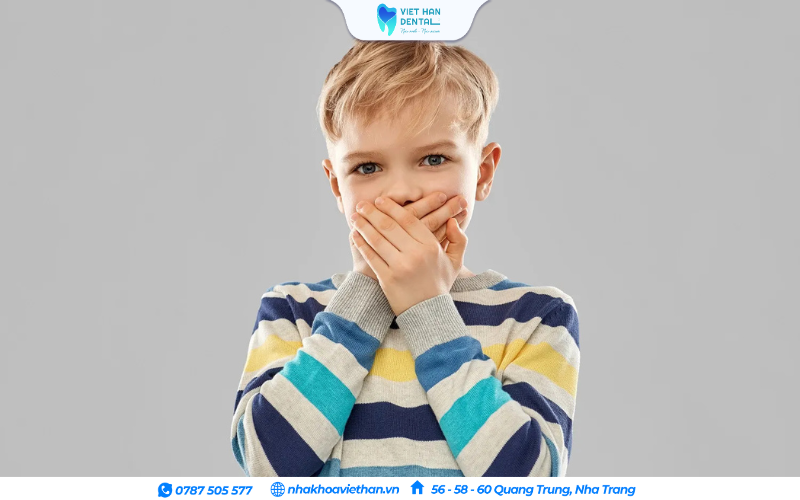
Bad breath (halitosis) in children occurs when a child’s breath carries an unpleasant odor while speaking, laughing, or breathing. This is a fairly common issue across various age groups. Aside from oral odors, some children experience accompanying signs such as dry mouth, a white coating on the tongue, a sour or strange taste in the mouth, easily bleeding gums, and heavier breath odor in the morning after waking up.
In many cases, bad breath is temporary, caused by inadequate oral hygiene or daily dietary choices. However, if the condition persists continuously, it may signal potential health issues involving the child’s teeth, ears, nose, throat, or digestive system.
2. Common Causes of Bad Breath in Children
Several factors trigger bad breath in young children, with the most frequent causes including:
2.1. Poor Oral Hygiene
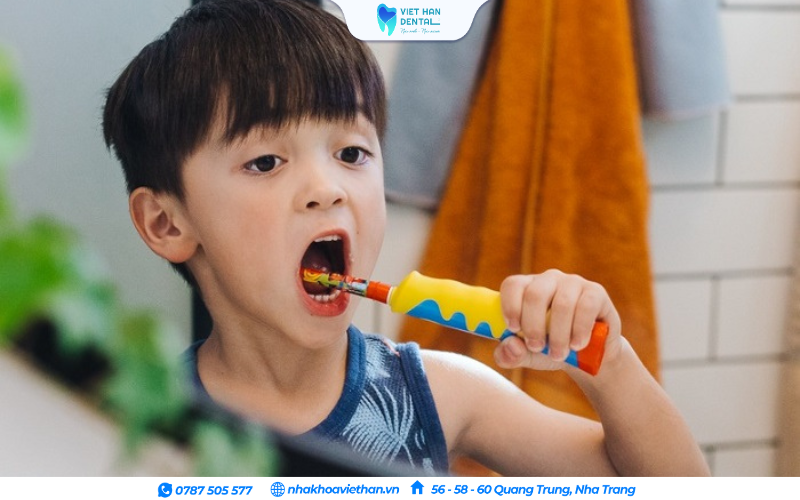
If a child brushes carelessly or fails to clean their oral cavity regularly, food debris and plaque will accumulate on the teeth, gums, and tongue. This creates an ideal environment for bacteria to multiply and produce unpleasant odors.
2.2. Dry Mouth
Saliva acts as a natural moisturizer and cleanser for the oral cavity. When a child drinks little water or has a habit of mouth breathing, reduced saliva flow allows bacteria to thrive. Many children experience more noticeable bad breath after waking up due to dry mouth during sleep.
2.3. Oral Diseases
Issues such as tooth decay, gingivitis, gum infections, or heavy plaque buildup on the tongue allow bacteria to flourish in the mouth. This is one of the leading causes of chronic bad breath in children.
2.4. Foreign Objects Stuck in the Nose
Young children occasionally wedge small seeds, toy pieces, or foreign objects into their noses without adults noticing. When the foreign object remains for a long time, the nasal area easily becomes infected, generating unusual odors in the breath.
2.5. Consuming Strong-Smelling Foods
Certain foods like onions, garlic, cheese, or spicy dishes can cause a child’s breath to smell for a short period after eating. This is usually temporary and fades after brushing or drinking water.
2.6. Frequent Exposure to Tobacco Smoke
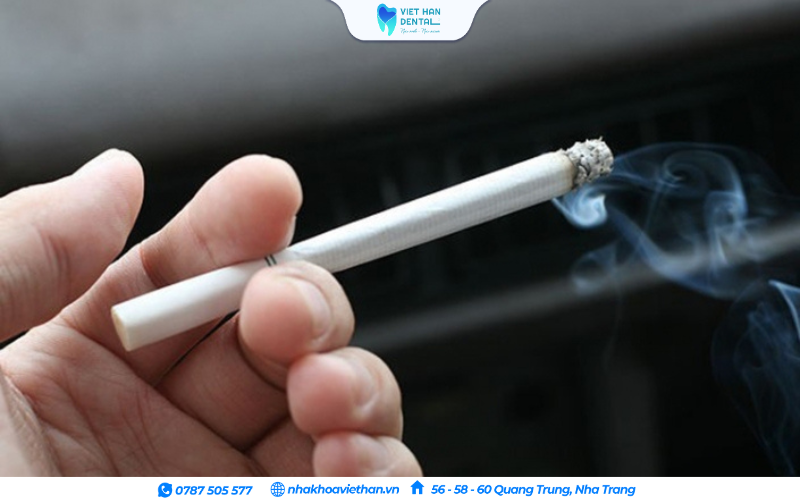
Exposure to secondhand smoke not only makes a child’s breath smell unpleasant but also negatively impacts their oral mucosa, respiratory system, and overall health.
2.7. Systemic Medical Conditions
In some cases, halitosis in children can link to medical conditions such as pharyngitis, tonsillitis, sinusitis, acid reflux, or seasonal allergies. If the bad breath persists despite thorough oral hygiene, parents should have the child examined to identify the exact cause.
3. Is Children’s Bad Breath Alarming?
Bad breath not only causes discomfort but also affects a child’s psychology and communication skills. Furthermore, it can serve as a warning sign for dental health or other medical conditions. If bad breath occurs frequently even though the child maintains good oral hygiene, parents should bring them in for a check-up to pinpoint the exact cause.
4. How to Improve and Prevent Bad Breath in Children
To help children maintain fresh breath and reduce the risk of recurring bad breath, parents can apply the following measures:
4.1. Guide Children in Proper Oral Care
Children should brush at least twice a day, especially after meals and before bedtime. Alongside cleaning teeth, parents should guide children to clean their tongues to limit bacterial accumulation. Choose soft-bristled toothbrushes and age-appropriate toothpaste.
4.2. Encourage Children to Drink Enough Water
Drinking plenty of water keeps the oral cavity moist, helps wash away bacteria, and prevents dry mouth.
4.3. Adjust the Diet
Limit sugary sweets, carbonated sodas, and pungent foods. Concurrently, supplement with green vegetables, fresh fruits, and vitamin-rich foods to boost oral health.
4.4. Early Treatment of Related Conditions
If a child shows signs of pharyngitis, sinusitis, or acid reflux, parents should seek early examination and treatment to improve breath odor.
4.5. Limit Child Exposure to Smoke
Do not smoke near children and avoid exposing them to environments with tobacco smoke.
4.6. Regular Dental Check-ups
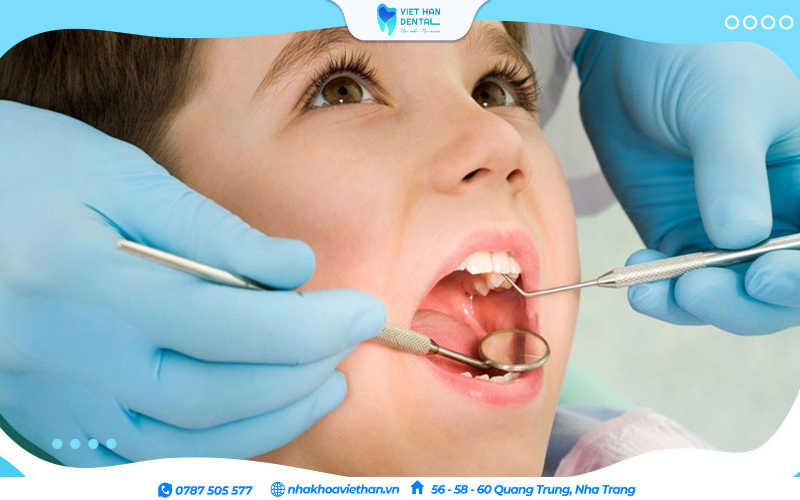
Routine dental exams help catch tooth decay, gingivitis, or other oral issues early before they cause severe damage.
5. Should Children Use Mouthwash Regularly?
For older children, specialized mouthwashes or saline solutions can be used under a doctor’s guidance. However, overuse should be avoided because certain mouthwashes reduce natural saliva flow, causing a drier mouth. For toddlers, parents should supervise usage to prevent the child from swallowing the solution.
6. When Should You Take Your Child to the Dentist?
Not every case of bad breath in children is dangerous. However, if the condition persists or is accompanied by unusual signs, parents should take the child for an early evaluation to determine the cause and handle it promptly. Watch out for these symptoms:
Persistent bad breath despite thorough oral hygiene.
Signs of tooth decay, gingivitis, or heavy plaque buildup.
Bad breath accompanied by toothaches, swollen gums, or bleeding gums.
Loss of appetite, crankiness, or prolonged oral discomfort.
Suspected issues related to the ears, nose, throat, respiratory tract, or digestive system.
Early diagnosis helps doctors identify the exact cause of halitosis and formulate a suitable treatment plan, minimizing disruptions to the child’s oral health and daily life.
7. Pediatric Dental Care at Viet Han Dental Clinic
Alongside home care, parents should bring children for routine dental check-ups to detect issues like decay, gum inflammation, or persistent bad breath early. Viet Han Dental Clinic stands out as a trusted destination in Nha Trang for children’s dental care.

7.1. Highly Qualified, Experienced Doctors
Children are examined directly by doctors experienced in pediatric dentistry who understand the developmental stages of dental arches across all ages. Doctors carefully inspect teeth, gums, plaque levels, and infection signs to pinpoint the root cause of bad breath and common pediatric dental conditions.
7.2. Modern Equipment Systems
The clinic invests in advanced machinery and modern diagnostic technology, making check-ups smoother and more accurate. Utilizing technology in diagnostics helps spot issues like decay, gum disease, or anomalies during tooth replacement early.
7.3. Age-Appropriate Oral Care Guidance
Parents receive detailed advice on suitable oral care practices for each developmental stage—from choosing toothbrushes and toothpastes to correct brushing techniques. Doctors also help correct bad habits like excessive sugar consumption, falling asleep with a bottle, or improper brushing.
7.4. Routine Monitoring of Oral Health and Teething
Periodic check-ups allow doctors to monitor dental and jaw growth while catching early risks of crowding, decay, or gingivitis—the primary culprits behind pediatric bad breath. During the tooth-changing phase, children receive proper care guidance to minimize plaque and help permanent teeth erupt into correct positions.
If your child exhibits prolonged bad breath or other dental issues, bring them in for an early examination at Viet Han Dental Clinic for proper guidance and care, helping your little one maintain a healthy smile and fresh breath every day.
Viet Han Dental Clinic
Team of Doctors 100% graduated from Ho Chi Minh City/Hue/Hanoi University of Medicine and Pharmacy
Address: 56-58-60 Quang Trung, Nha Trang, Khanh Hoa, Viet Nam
Hotline/ Whatsapp: 0787 505 577
Make an appointment: https://nhakhoaviethan.vn/en/contact/
Youtube: Viet Han Dental