



A toothache accompanied by swollen lymph nodes under the jaw can be uncomfortable and concerning. It may indicate that your immune system is responding to an infection in the teeth or surrounding tissues.
However, swollen lymph nodes do not reveal the cause or severity of an infection on their own. A dental examination is needed to determine whether the symptoms are related to a tooth, the gums or another condition.
In this article, Viet Han Dental Clinic explains the possible causes, when to seek care and how treatment can help.
Nội dung
- 1. What Does Toothache with Swollen Lymph Nodes Mean?
- 2. What Can Cause Toothache and Swollen Lymph Nodes?
- 3. Is Toothache with Swollen Lymph Nodes Dangerous?
- 4. When Should You Seek Dental or Medical Care?
- 5. How Is the Cause Diagnosed?
- 6. How Are Toothache and Swollen Lymph Nodes Treated?
- 7. What Can You Do While Waiting for Treatment?
- 8. How Can You Reduce the Risk?
- 9. Dental Care at Viet Han Dental Clinic
- 10. Frequently Asked Questions
- Viet Han Dental Clinic
1. What Does Toothache with Swollen Lymph Nodes Mean?
Lymph nodes are small structures that form part of the immune system. They help filter lymph fluid and contain immune cells that respond to infection.
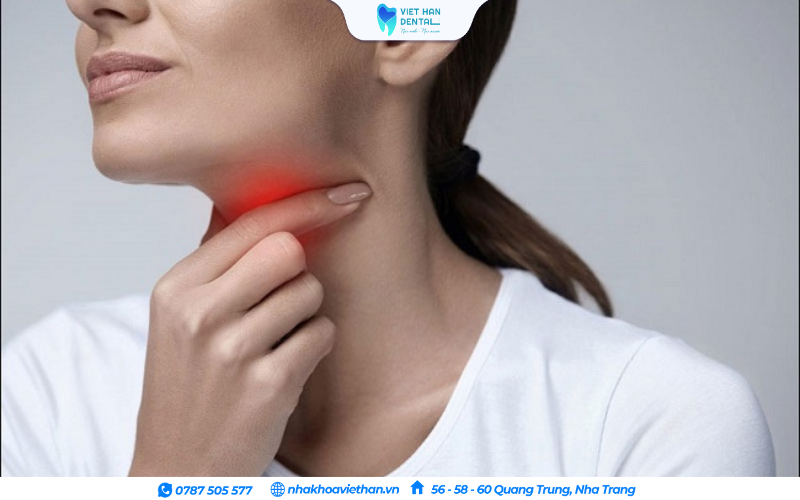
When an infection occurs nearby, lymph nodes may become enlarged or tender. You might notice a small, sore lump under your jaw or along your neck, sometimes on only one side.
Dental infections are one possible explanation, but throat infections and other illnesses can also cause swollen neck glands. A lump should not automatically be assumed to come from a painful tooth.
2. What Can Cause Toothache and Swollen Lymph Nodes?
2.1. Deep Tooth Decay and Infection Around the Root
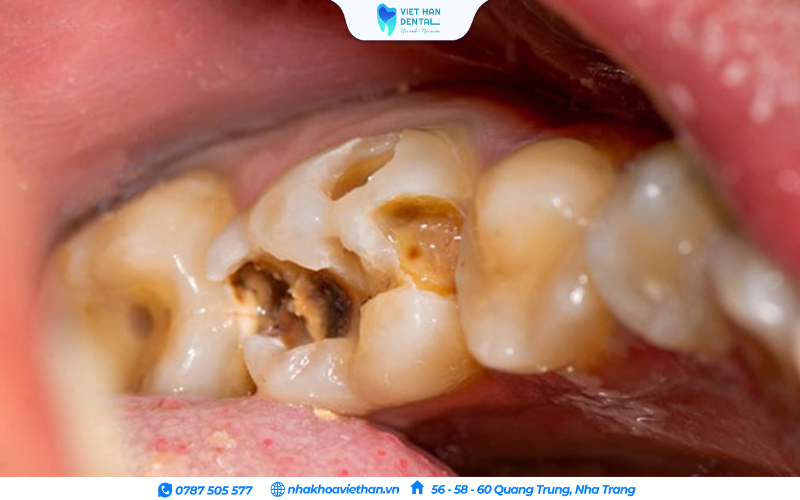
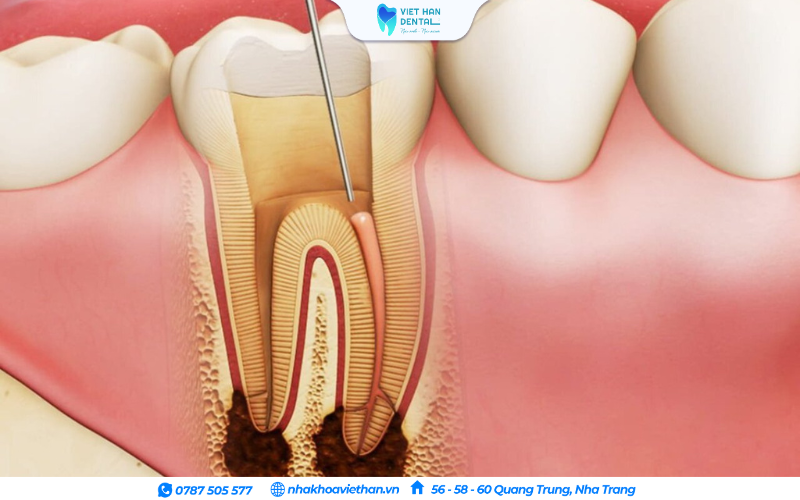
Untreated tooth decay can progress into the pulp—the soft tissue containing nerves and blood vessels inside the tooth. If the pulp becomes infected and dies, infection may extend into the tissues around the root.
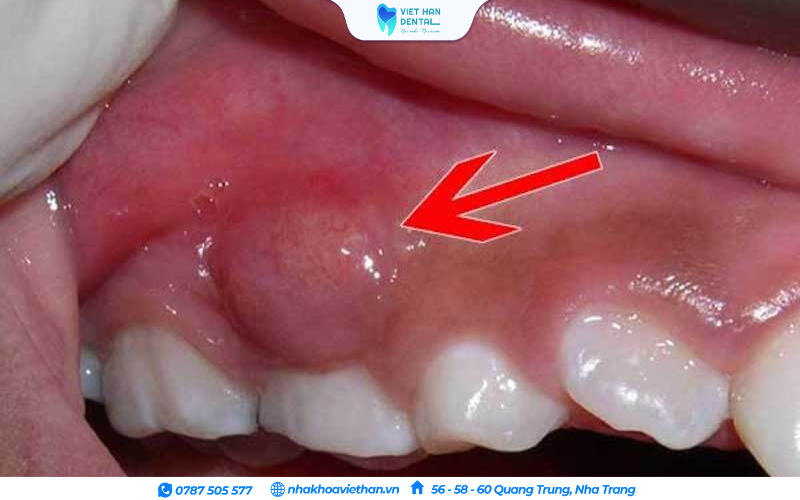
An abscess may develop, causing pain, swelling or a bad taste in the mouth. Nearby lymph nodes can also react to the infection.
Suggested image caption: Advanced tooth decay can damage the tooth structure and progress towards the dental pulp.
2.2. Gum and Periodontal Infections
Gum disease may cause redness, bleeding and tenderness. A more advanced infection, including a periodontal abscess, can cause localised swelling, pus and pain when biting.
Simple gum inflammation does not necessarily explain swollen lymph nodes. Your dentist will assess whether there is a deeper infection or another cause.
2.3. Infection Around a Partially Erupted Wisdom Tooth
Food and bacteria can become trapped beneath the gum flap covering a partially erupted wisdom tooth. The surrounding tissue may become inflamed or infected—a condition known as pericoronitis.
Symptoms may include pain at the back of the mouth, swollen gums, an unpleasant taste and difficulty opening the mouth. Nearby lymph nodes may also become tender.
A wisdom tooth being impacted or angled does not, by itself, mean that an infection is present.
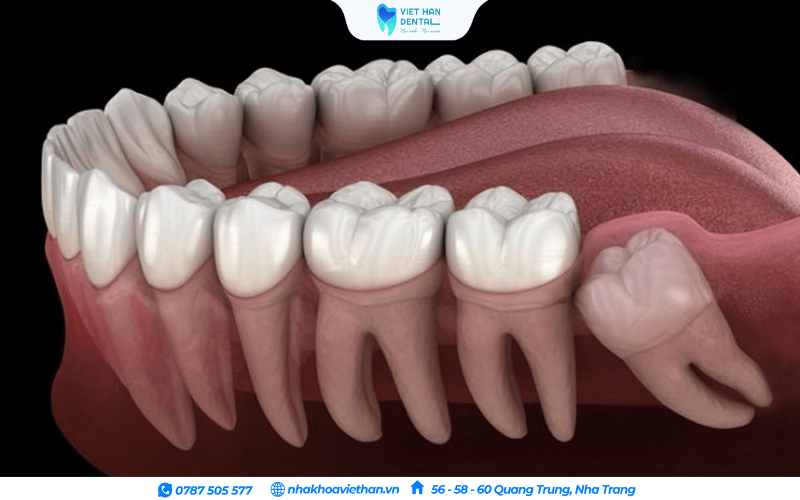
Suggested image caption: A partially erupted wisdom tooth can develop inflammation or infection in the surrounding gum.
2.4. A Cracked or Damaged Tooth
A crack or significant damage may allow bacteria to reach the inside of a tooth. Depending on the depth of the damage, this can lead to pulp infection or an abscess.
An examination helps distinguish a dental infection from other causes of tooth pain.
3. Is Toothache with Swollen Lymph Nodes Dangerous?
It deserves prompt assessment, but swollen lymph nodes alone do not prove that an infection is severe or spreading.
The main concern is the underlying cause. A dental abscess requires urgent dental treatment and will not resolve on its own. It can cause tooth or gum pain, facial swelling, fever and swollen glands in the neck.
Without appropriate treatment, a dental infection may damage the affected tooth and surrounding tissues. Some infections can spread beyond their original location and require hospital care.
The aim is to treat the source before further complications develop, rather than waiting for the lymph node to shrink.
Suggested image caption: A dental abscess is a collection of pus caused by infection in a tooth or the surrounding tissues.
4. When Should You Seek Dental or Medical Care?
4.1. Arrange a Prompt Dental Assessment
Contact a dentist if you have toothache together with a new, tender lump under the jaw, especially if you also notice:
- Persistent or worsening pain.
- Swollen gums or pus around a tooth.
- Pain when biting.
- A persistent bad taste.
- Facial swelling.
- Fever or feeling generally unwell.
Do not wait several days for symptoms to become severe before seeking advice.
4.2. Recognise Emergency Warning Signs
Seek emergency medical care immediately if you have difficulty breathing, swallowing or speaking, substantial swelling inside the mouth, swelling around an eye or severe difficulty opening your mouth. These symptoms need urgent assessment rather than a routine dental appointment.
4.3. Have Persistent Lymph Nodes Checked
Arrange a medical assessment if a lymph node is getting larger, feels hard or fixed, or has not started to settle within about a week. Persistent swelling after dental treatment also needs review, particularly with night sweats or no clear signs of infection.
5. How Is the Cause Diagnosed?
Your dentist will ask when the pain and swelling began and whether you have fever, sensitivity, recent dental treatment or problems with a wisdom tooth.
The assessment may include:
- Checking for decay, cracks and damaged restorations.
- Examining the gums for swelling, periodontal pockets or pus.
- Testing the affected tooth’s response and tenderness.
- Assessing facial swelling and mouth opening.
- Taking dental X-rays when clinically indicated.
If the lump is not clearly related to a dental problem, your dentist may recommend a medical assessment.
6. How Are Toothache and Swollen Lymph Nodes Treated?
Treatment focuses on the source of the problem. The appropriate approach depends on the diagnosis and whether the tooth can be preserved.
6.1. Treating Decay and Pulp Disease
A tooth with decay may be restored if the damage is suitable for a filling. When the pulp is irreversibly inflamed or infected, root canal treatment may be needed to remove the affected tissue and preserve the tooth.
If the tooth cannot be restored, extraction may be recommended.
Suggested image caption: Root canal treatment removes affected pulp tissue and cleans the canals inside the tooth.
6.2. Managing an Abscess
An abscess may need drainage, together with root canal treatment or extraction where appropriate. Your dentist will determine the safest way to control the infection.
6.3. Treating Gum and Periodontal Infection
Treatment may involve professional cleaning, cleaning beneath the gumline and managing any periodontal abscess. Follow-up care and improved daily plaque control help address the underlying gum condition.
6.4. Managing Wisdom Tooth Infection
The dentist assesses the gum around the wisdom tooth and its position. Initial care may include cleaning and managing the inflamed area.
Removal may be considered if the tooth causes repeated infections or other problems. The need for extraction and its timing should be decided after examination.
6.5. Using Antibiotics When Indicated
Antibiotics are not required for every toothache and do not replace dental treatment.
For many localised pulpal and root-related conditions in otherwise healthy adults, the priority is treatment of the tooth or drainage. Antibiotics may be indicated when there are signs of spreading infection or systemic illness, such as fever or malaise, or other clinical risk factors.
The decision should be made by the treating clinician. Do not use leftover antibiotics or someone else’s prescription.
7. What Can You Do While Waiting for Treatment?
Temporary measures may ease discomfort while you arrange care:
- Choose soft foods.
- Avoid very hot or cold foods if they trigger pain.
- Clean your teeth gently with a soft toothbrush.
- Ask a pharmacist or clinician which pain relief is suitable for you, and follow the label or prescribed instructions.
These measures provide symptom relief; they do not treat an abscess.
Do not attempt to puncture or drain a swelling yourself. Seek urgent help if your symptoms worsen or any emergency warning signs develop.
8. How Can You Reduce the Risk?
Reducing the risk of dental infection starts with consistent preventive care:
- Brush twice daily with fluoride toothpaste.
- Clean between teeth daily with floss or interdental brushes.
- Limit frequent sugary snacks and drinks.
- Have dental check-ups and professional cleaning at intervals recommended for your oral health.
- Address decay, damaged teeth and gum problems promptly.
- Have recurrent wisdom tooth symptoms assessed.
Your dentist can recommend a recall schedule based on your individual risk rather than applying the same interval to everyone.
9. Dental Care at Viet Han Dental Clinic
At Viet Han Dental Clinic in Nha Trang, care for toothache begins with an assessment of the underlying cause and any signs that require urgent attention.
9.1. Individual Assessment and Treatment Planning
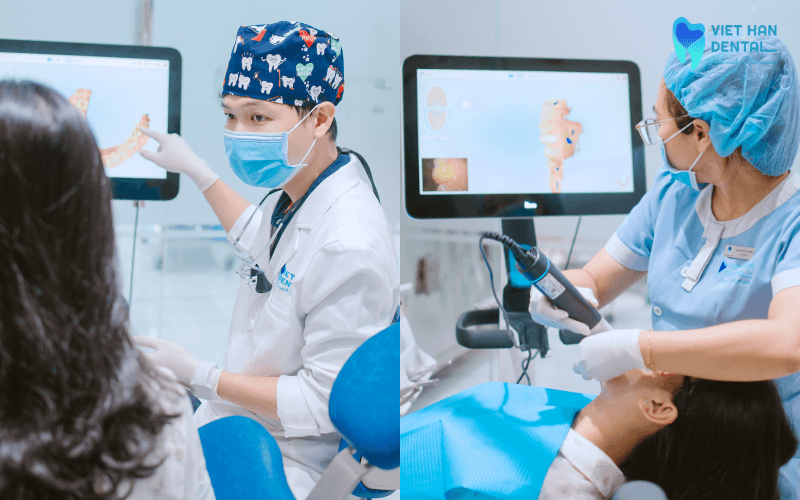
The dental team examines the affected teeth and surrounding tissues before discussing suitable treatment options. The aim is to relieve symptoms, address infection where present and preserve natural teeth when appropriate.
9.2. Diagnostic Support
Dental X-rays and other indicated tests support the clinical examination. Together, these help the dentist assess tooth roots, surrounding bone and the position of wisdom teeth.
9.3. Infection-Control Procedures
Instrument sterilisation and clinical infection-control procedures form part of the treatment process, helping reduce the risk of cross-infection.
9.4. General Dental Services
Depending on your needs, treatment may include:
- Tooth-coloured fillings.
- Root canal treatment.
- Periodontal care.
- Wisdom tooth assessment and removal.
- Scaling and professional cleaning.
- Ongoing preventive dental care.
If an infection requires hospital treatment or a lump needs further investigation, referral is an important part of appropriate care.
10. Frequently Asked Questions
Can a Tooth Infection Cause a Swollen Gland Under the Jaw?
Yes. Nearby lymph nodes can react to a dental infection. However, other conditions can also cause a lump in this area, so an examination is needed to establish the cause.
How Long Will the Lymph Node Take to Settle?
Infection-related lymph nodes often settle over one to two weeks, depending on the cause. Seek review if the node enlarges, feels hard or fixed, or does not begin to improve.
Will Antibiotics Alone Solve the Problem?
Often, no. An infected tooth or abscess may still need root canal treatment, drainage or extraction. Antibiotics are used when clinically indicated alongside appropriate management of the source.
Should I See a Dentist or a Doctor?
Start with a dentist when tooth pain is accompanied by gum swelling, pain on biting or other clear dental symptoms. A persistent or unexplained lump also needs medical assessment. Emergency warning signs require immediate hospital care.
Toothache with swollen lymph nodes should be assessed promptly. Finding and treating the cause is more important than waiting for the swelling to disappear.
For dental assessment in Nha Trang, contact Viet Han Dental Clinic via Hotline/WhatsApp +84 787 505 577. Tell the team if you have swelling, fever or worsening pain so they can advise on appropriate arrangements.
Viet Han Dental Clinic
Team of Doctors 100% graduated from Ho Chi Minh City/Hue/Hanoi University of Medicine and Pharmacy
Address: 56-58-60 Quang Trung, Nha Trang, Khanh Hoa, Viet Nam
Hotline/ Whatsapp: 0787 505 577
Make an appointment: https://nhakhoaviethan.vn/en/contact/
Youtube: Viet Han Dental