



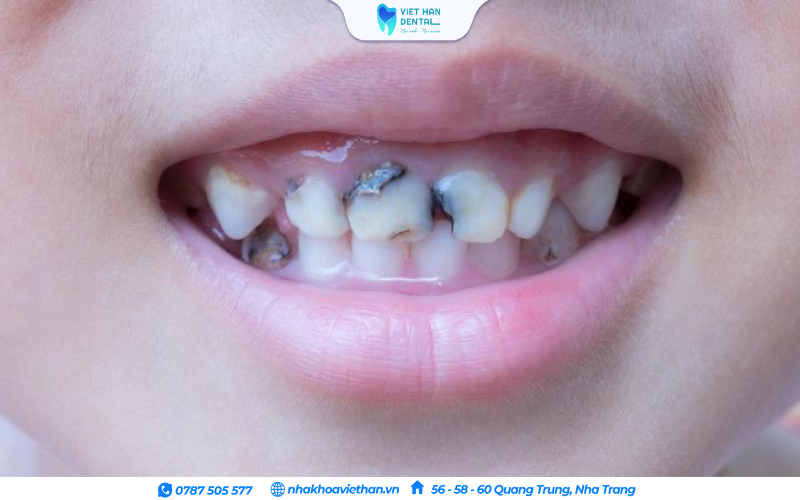
Black dental plaque is a common issue that many people face, yet it is frequently overlooked. These dark spots or lines appearing near the gumline, between teeth, or at the base of the teeth not only affect your appearance but can also signal underlying dental problems such as tooth decay, gingivitis, or periodontitis. If left untreated, black plaque can lead to bad breath, weakening teeth, and an increased risk of tooth loss. To better understand this issue, let’s explore the following article by Viet Han Dental Clinic.
Nội dung
- 1. What is Black Dental Plaque?
- 2. Causes of Black Dental Plaque
- 3. Signs of Black Dental Plaque
- 4. Is Black Dental Plaque Dangerous?
- 5. How to Prevent and Manage Black Dental Plaque
- 6. Professional Dental Scaling – The Ultimate Solution for Black Plaque
- 7. Preventing the Return of Black Dental Plaque
- 8. Safe Oral Care at Viet Han Dental Clinic
- Viet Han Dental Clinic
1. What is Black Dental Plaque?
Black dental plaque occurs when bacteria, food particles, and minerals accumulate on the tooth surface over time and calcify into tartar (calculus). Over time, this tartar layer can darken to a deep yellow, brown, or black, creating an aesthetic concern and harming oral health. Black plaque typically forms in hard-to-clean areas such as tooth roots, interdental spaces, the inner surfaces of molars, and along the gumline.
Unlike external stains caused by coffee, tea, or food, black plaque has a hard texture, adheres tightly to the teeth, and cannot be completely removed by normal brushing. If not cleaned early, it creates a breeding ground for bacteria, leading to bad breath, gingivitis, and various other oral conditions.
2. Causes of Black Dental Plaque
Black plaque on teeth impacts more than just aesthetics; it often serves as a warning sign for underlying dental issues, typically stemming from daily hygiene habits and lifestyle factors.
2.1. Improper Oral Hygiene
This is the most common cause of plaque and tartar buildup. Rushing through brushing, skipping dental floss, or missing hard-to-reach spots allows bacteria and food debris to accumulate over time. The gumline and interdental spaces are especially prone to developing black plaque.
See more: [Professional dental cleaning and routine check-ups – The secret to keeping your natural teeth for a lifetime]
2.2. Regular Smoking
Tobacco smoke contains nicotine and tar that easily stick to the tooth surface, discoloring teeth and accelerating the formation of black tartar. Additionally, smoking reduces saliva flow in the oral cavity, creating an ideal environment for bacteria to thrive.
2.3. Consuming Stain-Causing Foods and Drinks
Dark-colored foods and beverages such as coffee, strong tea, colored soft drinks, red wine, or high-sugar sweets can easily discolor teeth if proper oral hygiene is neglected after consumption.

2.4. Tooth Decay and Bacterial Accumulation
In many cases, dark spots on teeth are not tartar, but rather signs of tooth decay. When bacteria break down the enamel, brown or black spots emerge on the tooth surface and tend to spread if left untreated.
3. Signs of Black Dental Plaque
Black plaque usually forms quietly and is easily overlooked in its early stages. You can recognize this condition through several common signs:
Brown or black lines/spots around the tooth roots.
Persistent bad breath despite regular oral hygiene.
Gums that easily become red, swollen, or bleed when brushing.
Teeth becoming more sensitive to hot or cold items.
A gritty or rough sensation around the tooth roots.
If not cleaned promptly, plaque will continue to accumulate, spread to other areas, and dull your smile. At the same time, it forms an ideal environment for bacteria, increasing the risk of gingivitis and other oral diseases.
4. Is Black Dental Plaque Dangerous?
Black plaque not only detracts from your smile’s aesthetics but can also trigger a cascade of dental problems if left unmanaged:
Causes Tooth Decay: Bacteria within plaque produce acids that erode tooth enamel and create cavities on the tooth surface.
Gingivitis and Periodontitis: When tartar accumulates long-term, gums become irritated and inflamed, leading to swelling, bleeding gums, or receding gums. Without early treatment, this can progress to periodontitis, causing loose teeth and a higher risk of tooth loss.
Chronic Bad Breath: Plaque is packed with bacteria and decomposing food particles, easily generating unpleasant odors in the mouth that disrupt daily social interactions.
Aesthetic Impact: Dark deposits make teeth look dull, unclean, and diminish self-confidence when smiling or speaking.
See more: [Effective and sustainable ways to treat bad breath from within]
5. How to Prevent and Manage Black Dental Plaque
To minimize black plaque and keep your teeth clean and healthy, proper daily oral care must be paired with a balanced diet.
5.1. Brush Properly
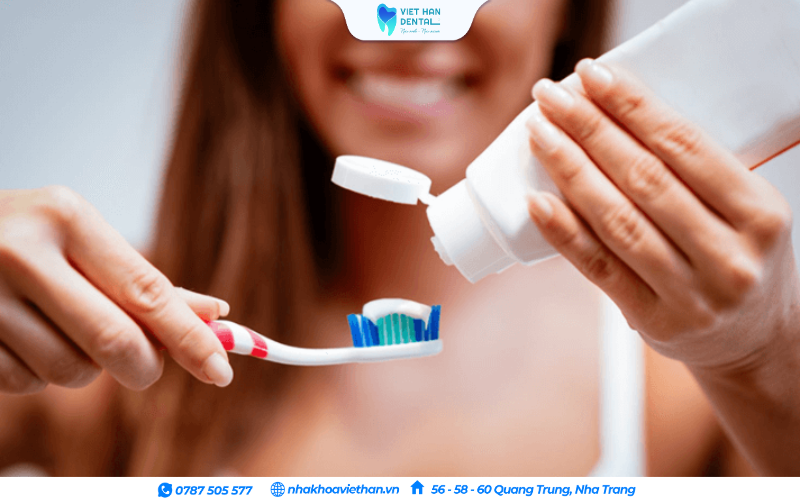
Brush regularly every day to clear away plaque and limit bacterial buildup. Brush at least twice a day using a soft-bristled toothbrush and a fluoride toothpaste.
Clean all tooth surfaces gently using vertical strokes or small circular motions. Avoid scrubbing too hard, as this can wear down enamel and harm your gums.
5.2. Use Dental Floss
Dental floss removes trapped food and plaque between the teeth—areas where a toothbrush cannot easily reach. Maintaining this habit daily curbs the formation of tartar and black plaque.
5.3. Daily Mouthwash
Rinsing with a saline solution or an appropriate mouthwash reduces oral bacteria, aids in cleaning, and keeps your breath fresh.
5.4. Limit Stain-Causing Foods
Items like coffee, strong tea, carbonated soft drinks, sweets, and tobacco rapidly stain teeth and foster black plaque. Limit their consumption and make it a habit to clean your teeth after eating or drinking. Additionally, eating green vegetables and fresh fruit while drinking plenty of water supports natural oral cleansing for brighter teeth.
6. Professional Dental Scaling – The Ultimate Solution for Black Plaque
When plaque has accumulated over time and calcified into black tartar, regular brushing can no longer completely remove it. At this stage, professional dental scaling at a clinic is the safest and most effective solution. During the procedure, the dentist uses a specialized ultrasonic scaler to gently clear away tartar deposits on the tooth surface and beneath the gumline, purifying the mouth without harming the enamel.
Scaling not only improves tooth color and reduces bad breath but also helps prevent conditions like gingivitis, periodontitis, and tooth decay. To keep your mouth healthy, you should get your teeth cleaned professionally every 6 months or as directed by your dentist.
7. Preventing the Return of Black Dental Plaque
To keep plaque and black tartar from coming back, stick to these daily oral care habits:
Brush thoroughly and regularly every day.
Use dental floss consistently to clean interdental spaces.
Rinse your mouth after meals to clear away leftover food particles.
Avoid smoking, as it is a primary catalyst for staining and tartar buildup.
Cut back on sugary or highly pigmented foods and drinks (coffee, strong tea, sodas).
Visit your dentist every 6 months for check-ups and professional cleanings.
8. Safe Oral Care at Viet Han Dental Clinic
If left unaddressed, black plaque, tartar, and gum inflammation can drastically raise your risk of cavities, bad breath, and periodontitis. Choosing a reputable dental clinic for routine exams and treatments is critical. Backed by an experienced team of doctors and modern equipment, Viet Han Dental Clinic is a trusted destination for diagnosing and treating oral health conditions.

8.1. Experienced Team of Doctors
At Viet Han Dental Clinic, you are examined directly by skilled professionals experienced in treating common dental issues such as tartar, gingivitis, periodontitis, tooth decay, and halitosis. Your doctor will carefully assess your teeth, gums, and plaque levels to pinpoint the cause and formulate a targeted treatment plan.
8.2. Modern Equipment
The clinic invests heavily in advanced machinery and modern support tools to boost treatment efficiency. Utilizing technology during scaling and cleanings makes the procedure gentler, minimizes sensitivity, and removes plaque much more effectively than conventional methods.
8.3. Safe, Sterilized Procedures
All instruments and equipment at Viet Han Dental Clinic undergo strict sterilization protocols before use. Treatment processes are tightly controlled to eliminate cross-contamination risks and ensure total safety for every client.
8.4. Dedicated Post-Treatment Care Guidance
Following any treatment or scaling session, your doctor will guide you through proper home care—recommending the right toothbrush, brushing techniques, and diet. They will also schedule your next check-up to prevent plaque recurrence and maintain your healthy smile long-term.
Blending high-level dental expertise, modern equipment, and standard medical protocols, Viet Han Dental Clinic delivers safe, effective oral care solutions for diverse clients.
Black dental plaque affects more than just your appearance; it serves as a warning sign for deeper hidden dental problems. Practicing proper oral hygiene, getting regular professional cleanings, and visiting the dentist early will protect your healthy, confident smile every single day. To clear away plaque effectively and undergo a comprehensive dental check-up, visit Viet Han Dental Clinic for expert care.
Viet Han Dental Clinic
Team of Doctors 100% graduated from Ho Chi Minh City/Hue/Hanoi University of Medicine and Pharmacy
Address: 56-58-60 Quang Trung, Nha Trang, Khanh Hoa, Viet Nam
Hotline/ Whatsapp: 0787 505 577
Make an appointment: https://nhakhoaviethan.vn/en/contact/
Youtube: Viet Han Dental