



Untreated tooth decay in children can progress into pulpitis (inflammation of the dental pulp), causing severe pain and heavily impacting a child’s oral health. However, many parents still wonder whether primary (milk) teeth require root canal treatment, assuming they will eventually fall out anyway. In reality, performing pulp therapy on primary teeth at the right time is essential to protect children’s long-term oral health and development. To better understand this topic, let’s explore the following article by Viet Han Dental Clinic.
Nội dung
- 1. Do Children Need Pulp Therapy for Primary Teeth?
- 2. Methods for Treating Pulpitis in Children
- 3. Step-by-Step Procedure for Primary Tooth Pulp Therapy
- 4. Does Primary Tooth Pulp Treatment Hurt?
- 5. How to Prevent Pulpitis in Children?
- 6. Comprehensive Pediatric Dental Care at Viet Han Dental Clinic
- Viet Han Dental Clinic
1. Do Children Need Pulp Therapy for Primary Teeth?
The dental pulp is located deep inside the tooth crown, containing blood vessels and nerves that nourish the tooth. When bacteria from tooth decay invade the pulp or a dental injury causes pulp exposure, a child can develop pulpitis. Common signs of pulpitis in children include:
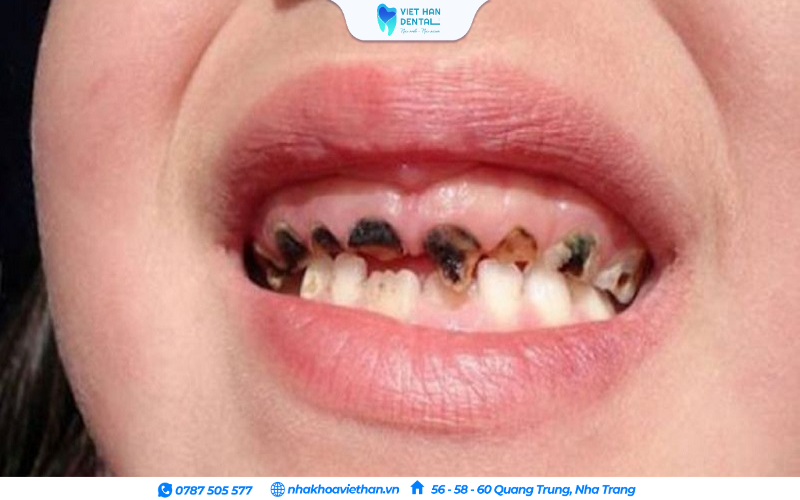
Prolonged toothaches
Sensitivity when eating hot, cold, or sour foods
Tooth discoloration
Bad breath
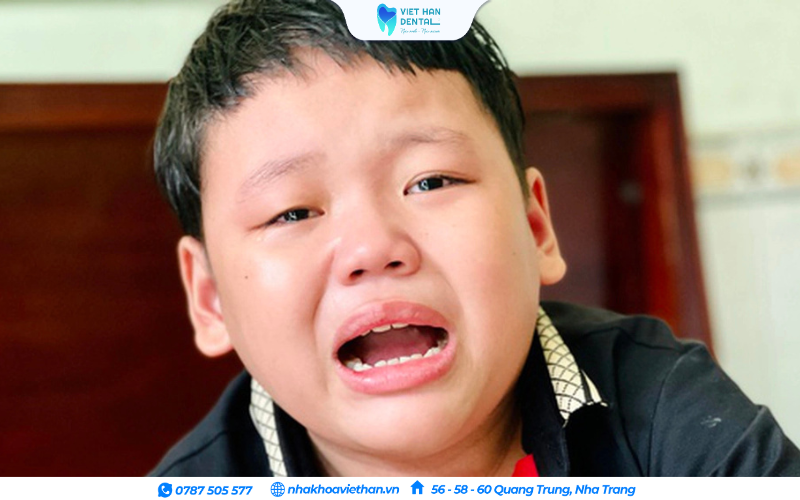
Loss of appetite and crying
Swollen gums or pus accumulation
Many parents worry that performing a root canal on a primary tooth will affect the permanent tooth underneath. However, when performed using the correct technique, primary tooth pulp treatment does not harm permanent tooth buds.
Conversely, delaying treatment puts children at risk of numerous complications:
Persistent pain disrupting eating and daily activities
Infection spreading to neighboring teeth
Premature loosening and shedding of primary teeth
Increased risk of misaligned permanent teeth
Formation of abscesses or pus pockets around the tooth roots
Persistent bad breath
Therefore, when spotting signs of pulpitis, parents should bring their child in for an early examination to receive timely treatment.
2. Methods for Treating Pulpitis in Children
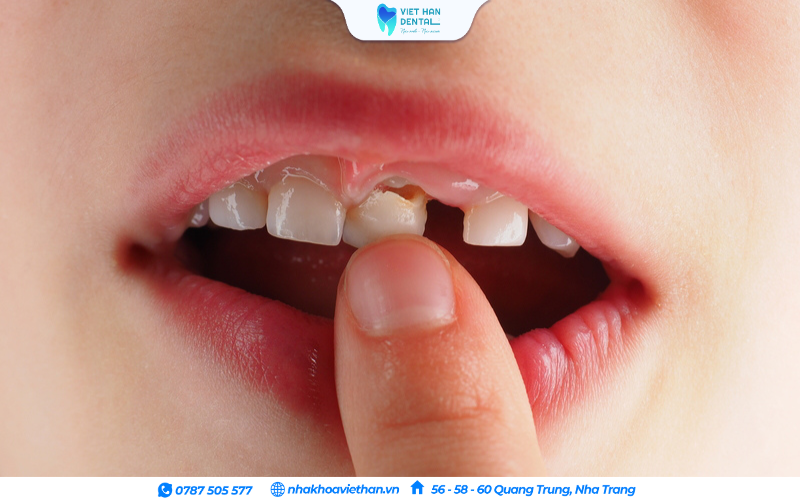
Depending on the extent of pulp damage, the dentist will prescribe an appropriate treatment method to relieve pain, control infection, and preserve the child’s teeth as much as possible.
2.1. Mild, Reversible Pulpitis
In the early stages, children usually only feel sensitivity when consuming cold, hot, or sugary foods. The tooth is not discolored, and the inflammation remains localized without spreading. In this case, the dentist will clean the decayed tooth area, remove the infected tissue, and disinfect inside the tooth cavity. Afterward, the tooth is restored with a filling to prevent bacteria from re-entering and to protect the remaining tooth structure.
Early detection and treatment at this stage increase the chances of saving the natural tooth while avoiding more complex interventions later.
2.2. Severe Pulpitis
When the dental pulp is heavily inflamed, children usually experience intense pain that can occur spontaneously or worsen at night. Some cases are accompanied by gum swelling or difficulty chewing. Depending on the damage level, the dentist may remove the inflamed pulp section or treat the entire infected root canal system. After thorough cleaning and disinfection, the tooth is tightly sealed to block bacteria. Timely treatment not only relieves pain but also minimizes impact on the developing permanent teeth underneath.
3. Step-by-Step Procedure for Primary Tooth Pulp Therapy
Primary tooth pulp treatment is a procedure designed to remove infected pulp while preserving the milk tooth to maintain chewing function and support future permanent tooth eruption. Typically, the procedure follows these steps:
Step 1: Examination and X-ray Imaging: The dentist conducts a general oral check-up and takes X-rays to assess pulp inflammation severity, root status, and potential impact on surrounding tissues. This crucial step guides the formulation of an appropriate treatment plan.
Step 2: Oral Hygiene and Anesthesia: Before treatment, the oral cavity is cleaned to minimize bacteria. The dentist then administers local anesthesia to help the child reduce pain or discomfort throughout the procedure.
Step 3: Cleaning and Managing Inflamed Pulp: The dentist opens access to the pulp chamber, removes the inflamed or infected pulp, and cleans the root canal system using specialized instruments. This process stops bacteria from spreading and preserves the remaining tooth structure.
Step 4: Filling and Restoring the Tooth: Once the root canal system is completely clean, the dentist seals it with suitable filling materials to protect against bacterial reinfection. Finally, the tooth is restored to maintain chewing function and normal daily activities.
4. Does Primary Tooth Pulp Treatment Hurt?
This is a frequent question from parents. In reality, before treatment begins, children receive local anesthesia, so the pulp extraction process generally does not cause significant pain. The most important factor is choosing a reputable dental clinic with experienced pediatric dentists who handle young patients gently and understand child psychology to ensure good cooperation.
5. How to Prevent Pulpitis in Children?
Pediatric pulpitis typically stems from prolonged tooth decay or improper oral hygiene. Early prevention plays a vital role in protecting oral health and preventing future dental issues. To reduce decay and pulpitis risks, parents should keep the following in mind:
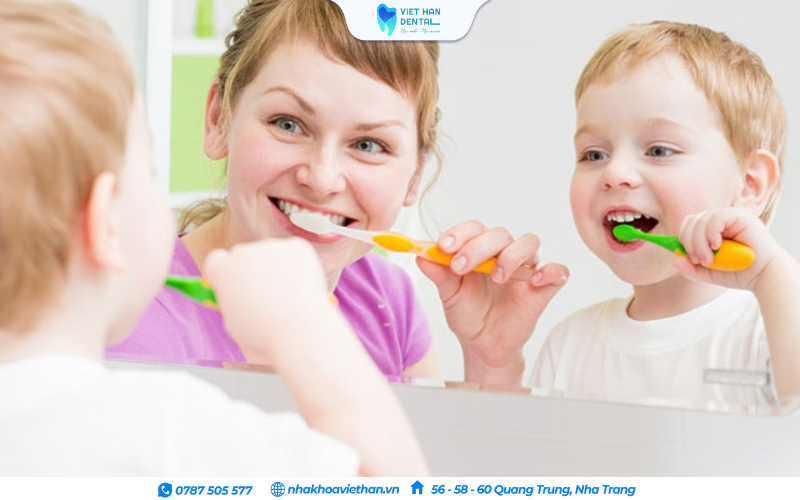
Guide children to brush correctly at least twice a day.
Build regular oral hygiene habits from an early age.
Limit sweets, carbonated soft drinks, and high-sugar foods.
Reduce very sticky foods like gummy candies or dried fruits that easily cling to teeth.
Encourage children to rinse their mouths after eating to limit plaque accumulation.
Schedule dental check-ups every 6 months to catch oral problems early.
Treat tooth decay in its earliest stages to prevent bacteria from reaching the pulp.
Monitor children’s teething and tooth-changing processes regularly to spot abnormalities early.
Proper oral care from childhood not only helps children minimize pulpitis risks but also maintains a healthy smile and supports permanent teeth development later on.
6. Comprehensive Pediatric Dental Care at Viet Han Dental Clinic
Alongside home care, parents should bring children for routine dental check-ups to catch decay, pulpitis, or other oral issues early. Viet Han Dental Clinic is a trusted destination chosen by many parents for children’s dental care.
6.1. Thorough Examination and Dental Check-ups
Established in 2017, Viet Han Dental Clinic brings together top-tier dental specialists in Nha Trang, with 100% graduating from the University of Medicine and Pharmacy in Ho Chi Minh City, Hue, or Hanoi. Doctors carefully check teeth, gums, and oral cavities to spot signs of decay, pulpitis, or infections early. The examination is conducted gently, tailored to children’s psychology so they feel comfortable during treatment. Thorough checks also help doctors determine the right treatment for each case.
6.2. Monitoring Tooth-Changing Stages
During the tooth-replacement phase, children easily encounter issues like primary tooth decay, misaligned eruption, or pulpitis due to improper cleaning. Dentists monitor tooth transition and jaw growth periodically to catch abnormalities early. Prompt intervention limits crowded teeth or bite issues later.
6.3. Guidance on Children’s Oral Care
Parents receive detailed advice on age-appropriate oral care—from choosing toothbrushes and toothpaste to correct brushing techniques. Doctors also help establish healthy diets and highlight habits to avoid in order to lower decay and pulpitis risks in young children.
6.4. Treatment Support for Pediatric Dental Diseases
Conditions like decay, gingivitis, or pulpitis require early intervention to protect permanent tooth eruption and chewing function. Viet Han Dental Clinic applies child-friendly treatment methods paired with modern equipment to ensure safe, gentle, and effective care.
Backed by experienced doctors, modern facilities, and age-appropriate care strategies, Viet Han Dental Clinic delivers comprehensive oral solutions for children.
See more: [Does root canal treatment hurt? Reputable root canal treatment addresses in Nha Trang]
If your child shows signs of toothache, decay, or suspected pulpitis, bring them for an early examination at Viet Han Dental Clinic for tailored advice and treatment to protect their long-term oral health.
Viet Han Dental Clinic
Team of Doctors 100% graduated from Ho Chi Minh City/Hue/Hanoi University of Medicine and Pharmacy
Address: 56-58-60 Quang Trung, Nha Trang, Khanh Hoa, Viet Nam
Hotline/ Whatsapp: 0787 505 577
Make an appointment: https://nhakhoaviethan.vn/en/contact/
Youtube: Viet Han Dental