


Dental tourism guide in Vietnam is becoming a popular choice for international patients who want affordable, high-quality, and professional dental care. Treatments such as dental implants, porcelain veneers, dental crowns, tooth extractions, and orthodontics can help restore both oral health and smile confidence.
However, successful treatment does not end when you leave the dental chair. Proper recovery is essential for long-term results.
This Dental Tourism Recovery Guide from Viet Han Dental Clinic in Nha Trang will help you understand how to care for yourself after dental treatment in Vietnam.
Nội dung
- Why Post-Procedure Care Matters
- The First 24–48 Hours: The Golden Recovery Period
- What to Eat During Dental Tourism Recovery
- How to Manage Swelling and Discomfort
- Caring for Temporary Teeth or Restorations
- Suggested Recovery Timeline for Dental Tourists
- Before Flying Home
- What to Do After Returning Home
- Why Choose Viet Han Dental Clinic for Dental Tourism in Vietnam?
- Final Advice
- FAQs About Dental Tourism Recovery
- Viet Han Dental Clinic
Why Post-Procedure Care Matters
After dental treatment, your gums, teeth, and jawbone need time to heal. Good aftercare helps reduce discomfort, prevent infection, and protect your final result.
This is especially important after:
- Dental implant surgery
- Tooth extraction
- Gum surgery
- Bone grafting
- Porcelain crowns or veneers
- Full-mouth restoration
Following your dentist’s instructions carefully can make your recovery safer, faster, and more comfortable.
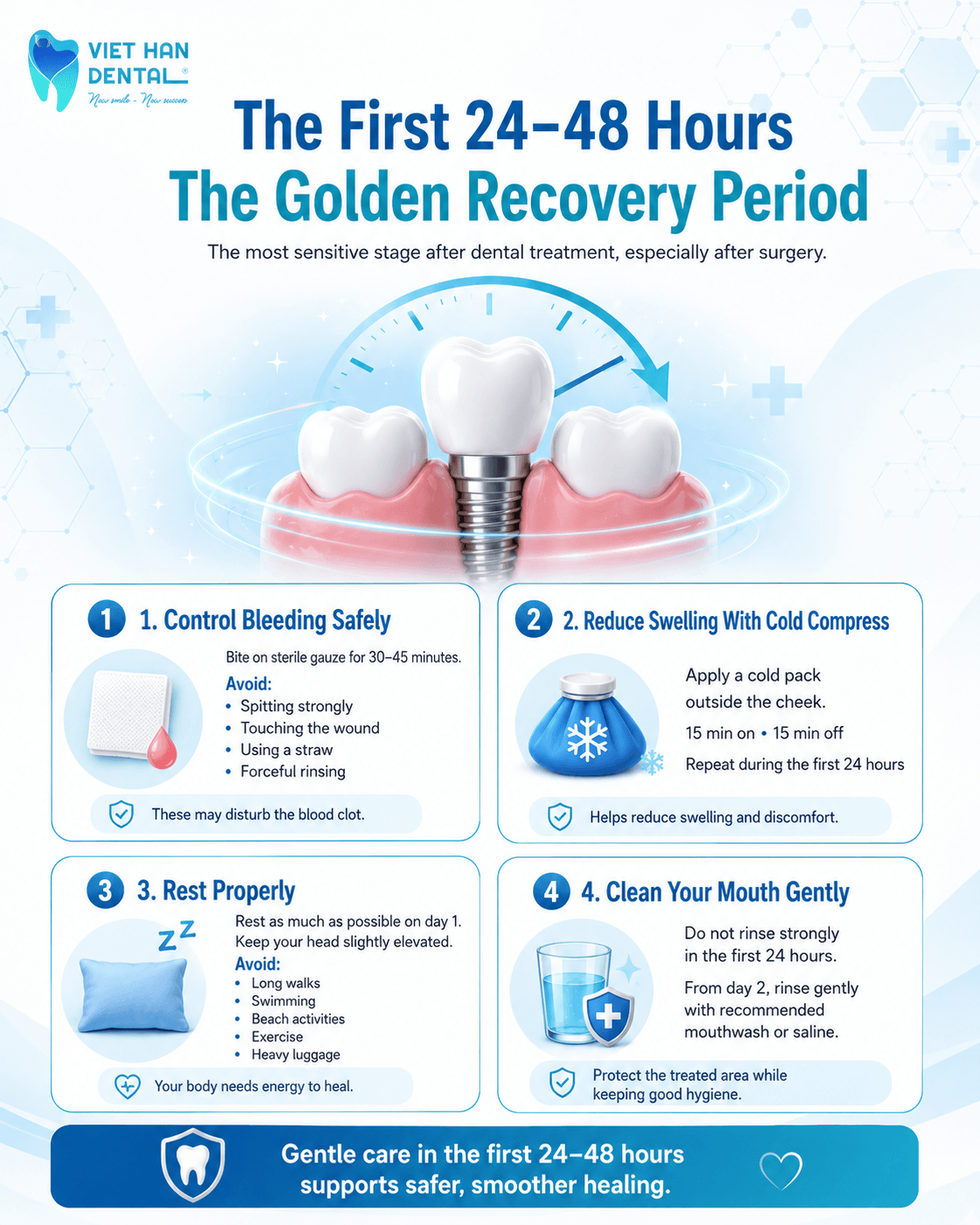
The First 24–48 Hours: The Golden Recovery Period
The first 24–48 hours after dental treatment are the most sensitive stage, especially after surgical procedures.
1. Control Bleeding Safely
After surgery, bite firmly on sterile gauze for 30–45 minutes as instructed by your dentist.
Avoid:
- Spitting strongly
- Touching the wound with your tongue or fingers
- Using a straw
- Rinsing your mouth forcefully
These actions may disturb the blood clot and cause prolonged bleeding.
2. Reduce Swelling With Cold Compress
Apply a cold pack to the outside of your cheek near the treated area.
Use this method:
- 15 minutes on
- 15 minutes off
- Repeat during the first 24 hours
This helps reduce swelling, bruising, and discomfort.
3. Rest Properly
Rest as much as possible on the first day. Keep your head slightly elevated when lying down to reduce pressure and swelling.
Avoid:
- Long walks
- Swimming
- Beach activities
- Heavy sightseeing
- Exercise
- Carrying heavy luggage
Your body needs energy to heal.
4. Clean Your Mouth Gently
Do not rinse strongly during the first 24 hours. From the second day, you may rinse very gently with the mouthwash or saline solution recommended by your dentist.
Good oral hygiene is important, but the treated area must be protected.
What to Eat During Dental Tourism Recovery
Food choice plays an important role in healing. When staying at a hotel or eating outside, choose soft, mild, and nutritious foods.
Vietnamese cuisine offers many recovery-friendly options.
Recommended Soft Foods
Good choices include:
- Rice porridge
- Fish porridge
- Minced meat porridge
- Crab soup
- Soft tofu
- Yogurt
- Fruit smoothies without a straw
- Mashed potatoes
- Soft rice
- Steamed fish
- Cooked vegetables
These foods are easy to chew and gentle on healing tissues.
Food Temperature
Eat food that is cool or slightly warm.
Avoid food that is too hot or too cold because it may irritate the gums and increase the risk of bleeding.
Foods and Drinks to Avoid
During recovery, avoid:
- Hard foods
- Chewy foods
- Crunchy snacks
- Nuts and seeds
- Spicy foods
- Sour foods
- Very salty foods
- Carbonated drinks
- Alcohol
- Smoking
Smoking and alcohol can seriously slow down healing and increase the risk of infection.
How to Manage Swelling and Discomfort
Mild swelling, bruising, or discomfort is normal after surgery. It is part of the healing process.
To support recovery:
- Use cold compress during the first 24 hours
- Take prescribed medication exactly as directed
- Drink enough water
- Rest properly
- Avoid strenuous activity for at least 48 hours
- Sleep with your head elevated for the first few nights
Contact your dentist immediately if you experience:
- Heavy bleeding
- Severe pain that does not improve
- Fever
- Pus or bad taste
- Increasing swelling after several days
- Difficulty breathing or swallowing
These may be warning signs that need professional care.
Caring for Temporary Teeth or Restorations
If you receive temporary crowns, temporary veneers, or temporary teeth after implants, you should treat them carefully.
Temporary restorations are designed to protect your teeth and smile while your final restoration is being prepared or while your implant heals.
Care Tips
- Brush gently with a soft toothbrush
- Avoid biting hard foods
- Do not use your teeth to open packages
- Avoid sticky foods
- Floss carefully as instructed
- Contact your dentist if a temporary tooth feels loose
For implant cases, the final crown is usually placed after the implant has fully integrated with the jawbone.
Suggested Recovery Timeline for Dental Tourists
Recovery time depends on the type of treatment. Some procedures require only a short stay, while others need multiple visits.
| Treatment Type | Suggested Stay | Recovery Time | Second Visit Needed |
|---|---|---|---|
| Teeth whitening | 1–2 days | Immediate | No |
| Porcelain veneers / crowns | 5–10 days | 1–2 weeks | Usually no |
| Tooth extraction | 2–5 days | 1–2 weeks | Sometimes |
| Dental implants | 7–10 days | 3–6 months for bone integration | Yes |
| Clear aligners | 1–2 days | Ongoing | Remote or scheduled follow-up |
For major procedures such as dental implants or full-mouth restoration, international patients should plan extra rest days before flying home.
Before Flying Home
Before leaving Vietnam, make sure you receive:
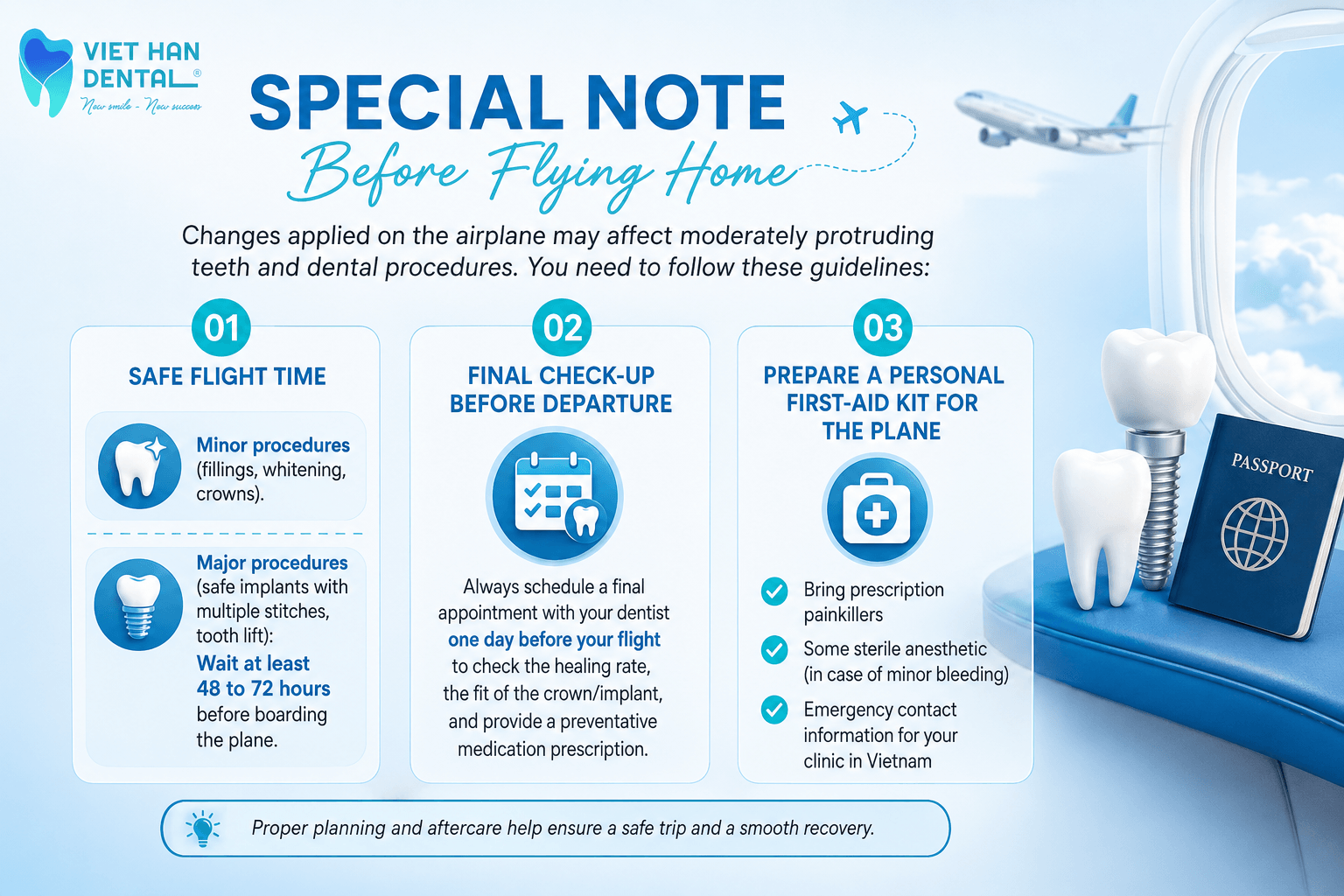
- English post-treatment instructions
- Medication guidance
- Dental records
- X-rays or scan files if needed
- Warranty information
- Follow-up schedule
- Emergency contact details
This helps you continue recovery safely after returning home.
What to Do After Returning Home
Your recovery continues even after your dental trip ends.
After returning home, you should:
- Follow all aftercare instructions
- Keep your mouth clean
- Attend online follow-up appointments if provided
- Visit your local dentist every 6 months
- Contact Viet Han Dental Clinic if you notice unusual symptoms
- Return for the final restoration if your implant treatment requires a second visit
Good long-term care protects your dental investment.
Why Choose Viet Han Dental Clinic for Dental Tourism in Vietnam?
Viet Han Dental Clinic in Nha Trang supports international patients before, during, and after treatment. We understand that dental tourism requires trust, clear communication, and careful planning.
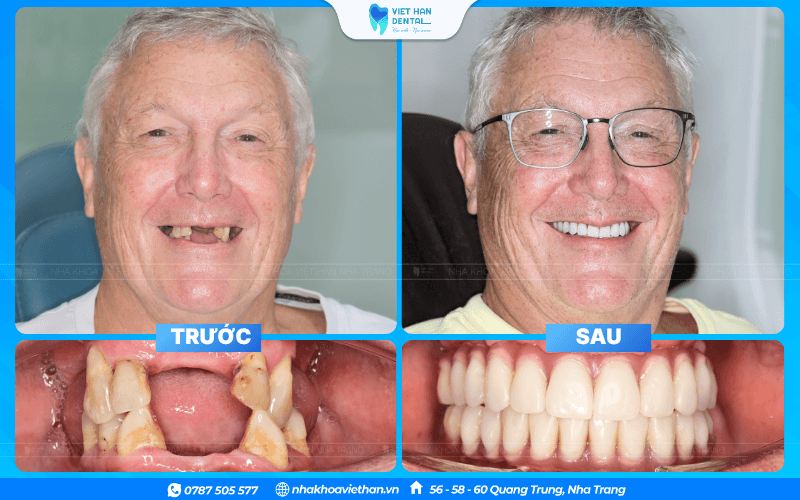
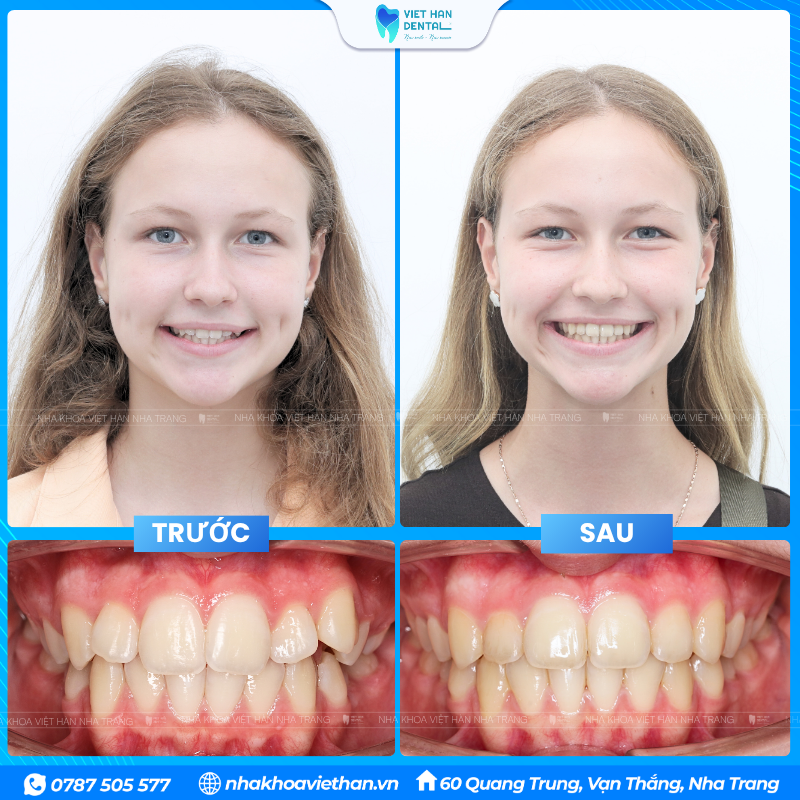
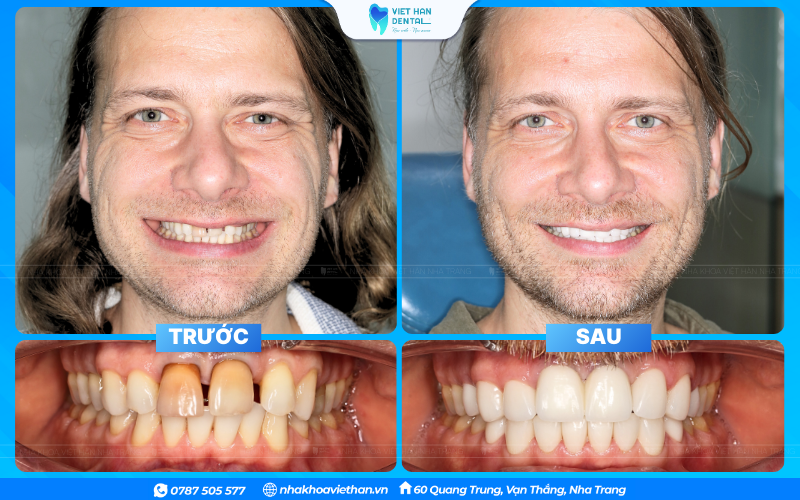
Our clinic focuses on:
- Personalized treatment planning
- 3D Cone Beam CT scan
- Digital dental technology
- Clear cost explanation
- Detailed post-treatment instructions
- Comfortable patient care
- Support for international patients
- Follow-up guidance after treatment
Located in the coastal city of Nha Trang, Viet Han Dental Clinic offers a comfortable environment for patients who want to combine dental care with a relaxing recovery trip.
Final Advice
This Dental Tourism Recovery Guide is designed to help international patients recover safely after dental treatment in Vietnam.
Whether you receive dental implants, veneers, crowns, tooth extraction, or orthodontic treatment, proper aftercare is essential. Rest well, eat soft foods, avoid smoking and alcohol, follow your dentist’s instructions, and never ignore unusual symptoms.
At Viet Han Dental Clinic, our goal is not only to complete your dental procedure, but also to help you recover safely and enjoy long-term results.
FAQs About Dental Tourism Recovery
How long should I stay in Vietnam after dental treatment?
It depends on the procedure. Simple treatments may need only 1–2 days, while dental implants or full-mouth restoration may require 7–10 days or more.
Can I travel after dental implant surgery?
Yes, but you should allow enough rest time before flying. Your dentist will advise when it is safe based on your surgery and healing condition.
What should I eat after dental treatment?
Choose soft foods such as porridge, soup, yogurt, smoothies without a straw, tofu, steamed fish, and soft rice.
Can I drink alcohol after dental surgery?
No. Alcohol can slow healing and may interfere with medication. Avoid alcohol until your dentist confirms it is safe.
Is smoking allowed after dental implant surgery?
Smoking is strongly discouraged because it reduces blood flow, delays healing, and increases the risk of implant failure.
Why is aftercare important in dental tourism?
Aftercare helps prevent infection, reduce complications, and protect the long-term success of your treatment.
Viet Han Dental Clinic
Team of Doctors 100% graduated from Ho Chi Minh City/Hue/Hanoi University of Medicine and Pharmacy
Address: 56-58-60 Quang Trung, Nha Trang, Khanh Hoa, Viet Nam
Hotline/ Whatsapp: 0787 505 577
Website: nhakhoaviethan.vn
Fanpage: Viet Han Dental Clinic
Instagram: viethandental
Youtube: Viet Han Dental
Group facebook: ĐỒNG NIỀNG VIỆT HÀN – VIET HAN BRACERS